Home / All / Support / Bearing Puller Solutions for Trailer Axle Repairs
Bearing Puller Solutions for Trailer Axle Repairs
Update Time:2026/11/6
Use a bearing puller solution that matches the trailer's hub, bearing design, access, and support method.
Trailer axle repairs often require more than one tool: a hub puller for the assembly, a separator for a tight race, and a press adapter for installation. Choose tooling around the actual bearing contact surface and follow the axle service instructions.
Identify the wheel-end design first
Confirm whether the trailer uses serviceable tapered bearings, a unitized hub, or another wheel-end design. The correct removal method depends on what is retained by the spindle, seal, nut, or press fit.
Support the trailer and hub safely
Block wheels, lift only as instructed by the manufacturer, and use rated stands. Support the hub before removing retainers so the bearing cone or hub does not drop unexpectedly.
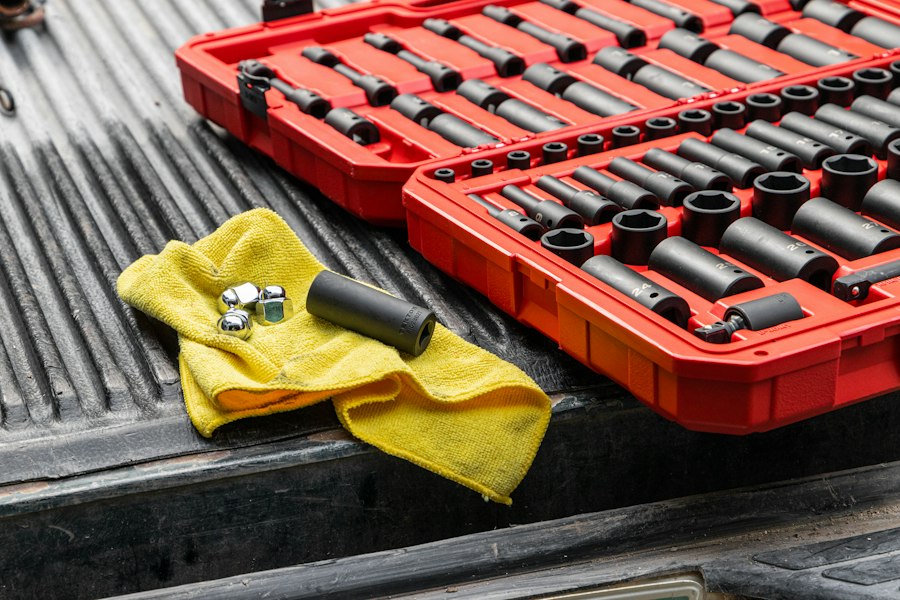
A matched puller and socket setup supports controlled trailer hub service.
Use a hub puller for the full assembly
For a hub that will not slide free, select a puller with solid attachment points and a forcing screw aligned with the spindle. Keep the pull straight; side loading can damage threads or the hub.
Use a separator for a stuck inner race
A split bearing separator can reach beneath a race when ordinary jaws have no purchase. Position both halves evenly and pull from the race rather than the cage or roller assembly.
Plan for seals and bearing cones
Removal can damage seals and may expose worn bearing surfaces. Inspect the spindle, hub bore, races, and seal land before deciding which parts must be replaced.
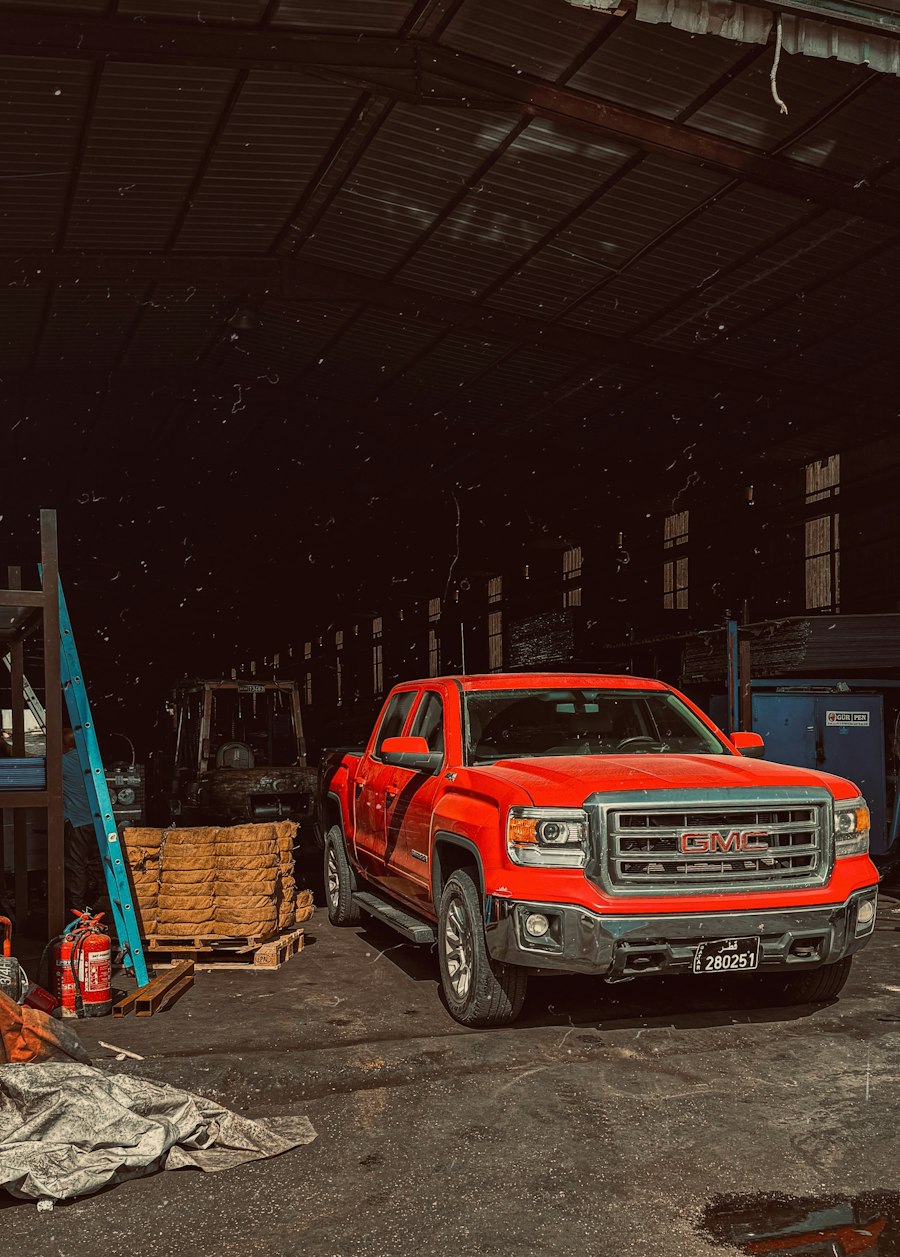
A clear service bay provides access and support for trailer wheel-end repairs.
Keep force controlled
Lubricate puller threads where the tool maker specifies, verify contact points, and increase load gradually. Stop if the puller shifts, a jaw climbs, or the support point deforms.
Prepare the installation contact point
Drive or press only on the bearing ring with the interference fit.
Keep new bearings clean until installation.
Set adjustment and torque using the axle maker's procedure.
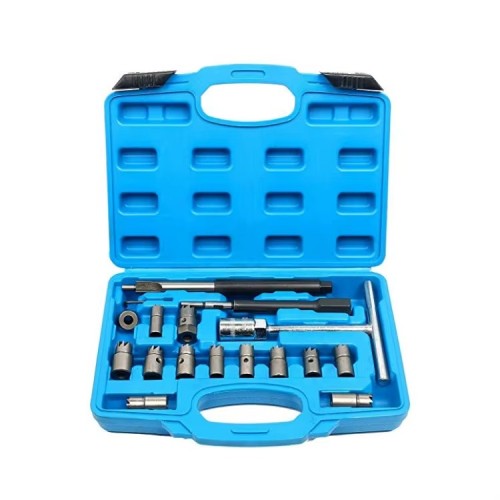
Dedicated pullers, separators, and inspection tools improve repeatability.