Home / All / Support / How to Protect Shims During Differential Bearing Removal
How to Protect Shims During Differential Bearing Removal
Update Time:2026/11/6
Protect shims by identifying, retaining, and measuring them before the carrier bearings are disturbed.
Differential shims can control carrier-bearing preload and ring-gear backlash. Keep each shim pack with its original side, avoid prying against thin shims, and follow the axle manufacturer's setup procedure when the assembly is rebuilt.
Why shim position matters
Selective shims establish the relationship between the carrier, bearing cups, and housing. Moving a shim pack from one side to the other can change preload or backlash, even when the parts look alike.
Mark both sides before removal
Mark the ring-gear side and opposite side before loosening caps or extracting cups. Use separate labeled trays or bags so each shim pack remains traceable through cleaning and inspection.
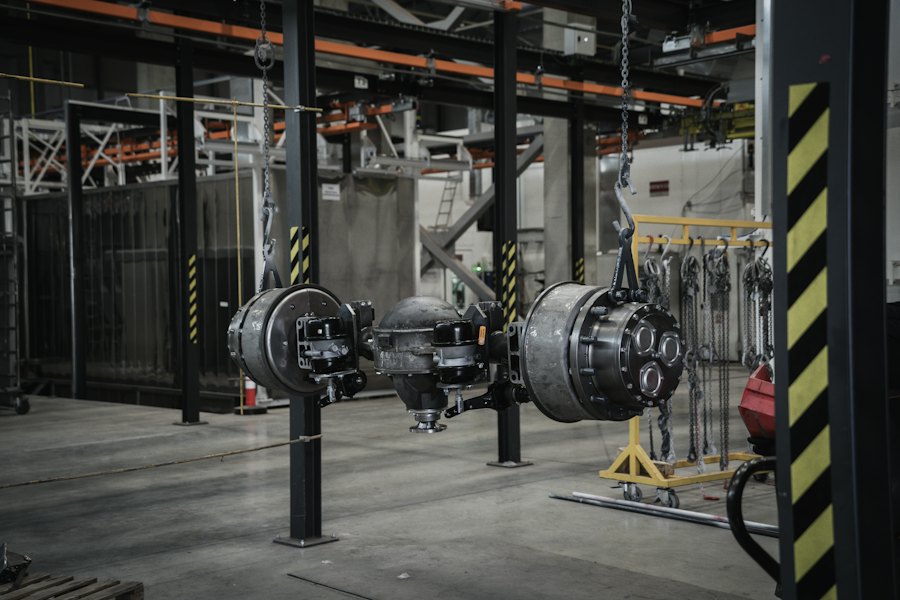
Heavy axle work calls for stable support and controlled component handling.
Support the carrier before working
A carrier assembly is heavy and can shift suddenly. Use the correct support method for the axle so the carrier, bearings, and shim packs do not fall or drag across the housing bore.
Use a puller that clears the shim area
Set a separator or puller on the intended bearing race, not on the shim stack. The puller must apply a straight load and leave room to remove thin shims without bending their edges.
Lift shims without gouging them
After the cup or race is free, lift shims with a clean pick at a supported edge. Do not use a screwdriver as a wedge against the housing; a nick can change how a shim sits.
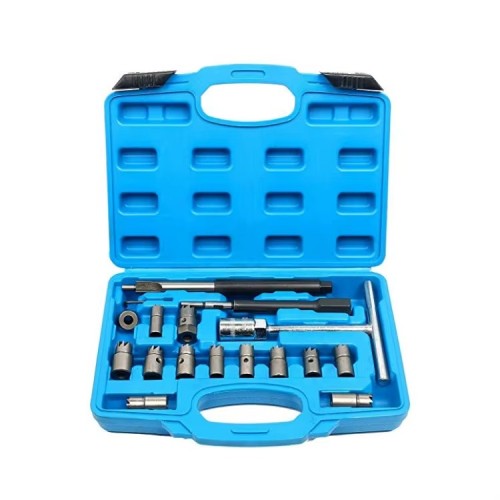
Organized parts handling helps keep side-specific shim packs identifiable.
Measure and record each pack
Measure the full stack and note individual pieces if the service procedure requires it. Clean any oil film only after recording location and thickness.
Inspect before reassembly
Reject bent, burred, cracked, or heavily corroded shims.
Keep mating surfaces clean and dry as specified.
Check the bearing cup and housing seat for marks caused by removal.
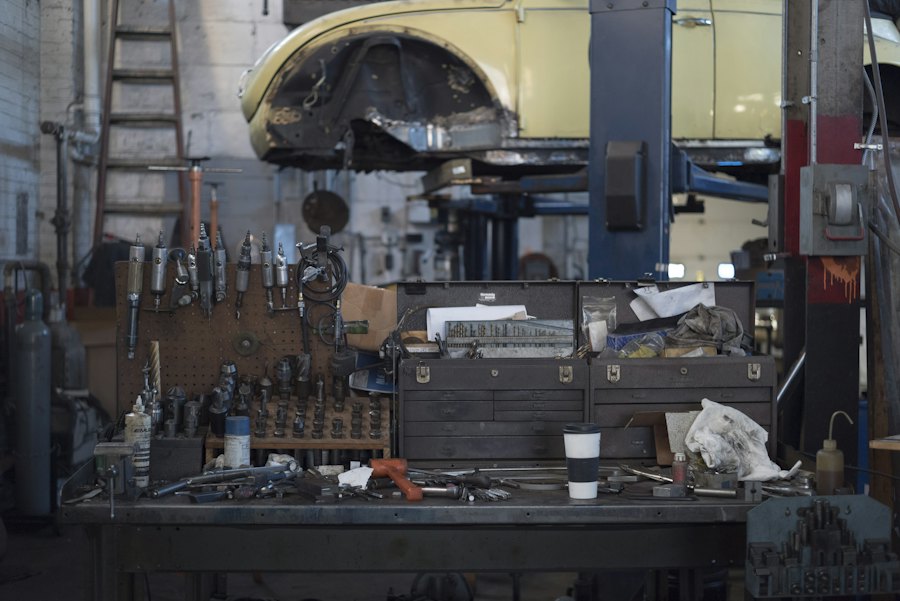
A clean workbench gives shims a protected place during measurement and inspection.
Confirm setup after installation
Use the manufacturer procedure to verify preload, backlash, and contact pattern. For separator and puller options matched to carrier-bearing access, contact DNT Tools with axle dimensions and the bearing reference.