Home / All / Support / How to Use a Bearing Separator on Axle Shaft Bearings
How to Use a Bearing Separator on Axle Shaft Bearings
Update Time:2026/10/23
How to Use a Bearing Separator on Axle Shaft Bearings: direct answer
A bearing separator is useful on an axle shaft when ordinary puller jaws cannot get behind the bearing’s inner race. The two halves must seat squarely beneath the race, then connect to a compatible puller or press arrangement while the shaft is securely supported.
Mechanical detail for planning axle-bearing access
Verify the axle and bearing design first
Check the vehicle procedure for retainers, seals, lock rings, ABS components, and bearing orientation. Some axle bearings require a press or a dedicated service tool rather than a universal separator.
Expose a safe gripping surface
Clean the area behind the bearing and determine whether the separator can contact the inner race without touching the cage, seal, axle flange, or a thin shoulder.
Seat both separator halves evenly
Bring the halves together gradually and keep the faces parallel. Uneven seating reduces grip and can scar the shaft or push the tool into a seal instead of the bearing race.
Vehicle assembly workstation representing careful component support
Connect only compatible puller components
Use a crosshead, rods, forcing screw, or press arrangement rated for the separator and the expected load. Check thread engagement and keep all components aligned.
Support the axle shaft before applying force
Secure the shaft with proper blocks, a fixture, or a press support as specified. Do not let an axle, flange, or brake component become the uncontrolled reaction point.
Apply force slowly and watch alignment
Advance the puller or press in small increments. Stop if the separator rotates, the bearing tilts, or the load path moves toward the cage, seal, or axle shoulder.
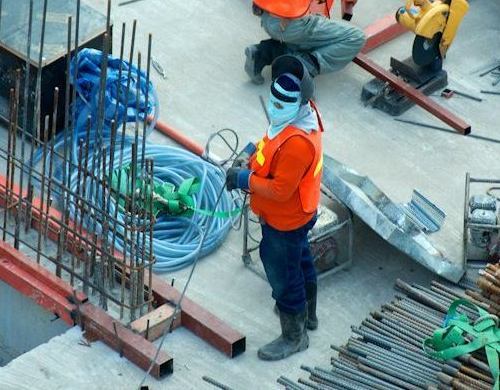
Heavy-duty service environment emphasizing stable set-up
Inspect the shaft and bearing seat
Once removed, inspect for grooves, raised metal, corrosion, or heat discoloration. The replacement bearing needs a clean, undamaged seat to maintain its intended fit.
Install with the correct driver
Press the new bearing by the ring that has the interference fit and follow the procedure for retainers, seals, and end-play or preload checks. Do not reuse a damaged lock ring or seal.