- Ningbo Dongning Tools Co.,Ltd
- Professional Chinese Tools manufacturer on automotive speciality tools,bearing puller&heavy truck tools
- Address
- No.6 Falan Rd,Hengjie Town,Ningbo City,Zhejiang,China
- Phone
- +86-574-87216625
- info@nbdntools.com

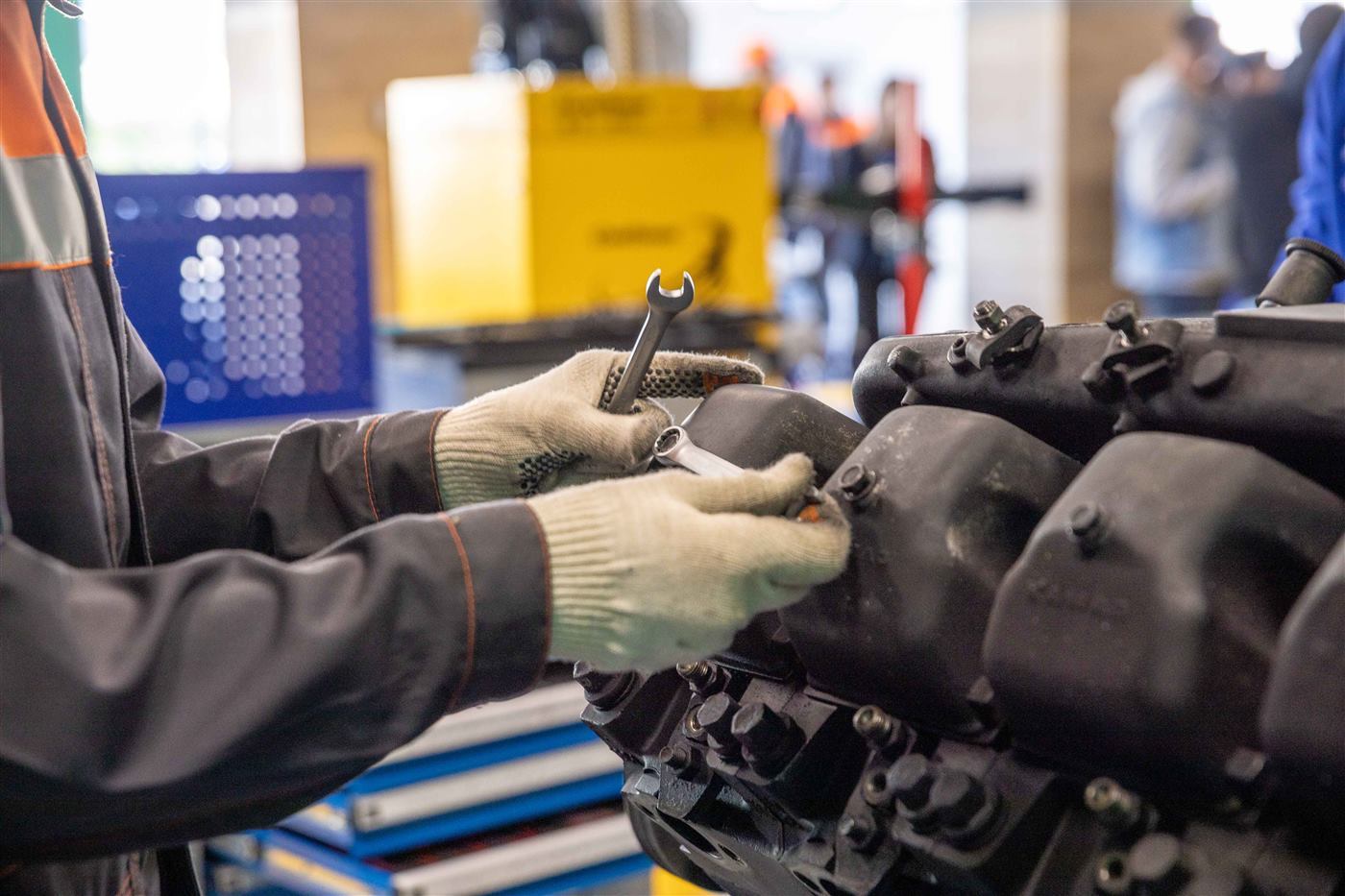
A truck transmission bearing puller is used during professional gearbox repair to remove input shaft bearings, countershaft bearings, races, and related press-fit components when the service procedure calls for controlled extraction. Purpose-matched jaws or separators help reach tight grooves and shoulders inside a heavy-duty transmission.
The tool must fit the exact bearing position, support the transmission correctly, and pull in line with the shaft. A general puller can be unsuitable when the bearing is recessed or the case has limited clearance.
Use external jaws only when they can grip a stable surface behind the intended race. A bearing separator is useful where the clearance behind the bearing is too limited for hooks. Dedicated transmission pullers may use shaped legs or clamps that engage a known groove more positively than universal jaws.
Secure the transmission on an approved stand or fixture before removing covers, retaining rings, or bearings. Heavy assemblies can shift as a bearing releases. A stable fixture also makes it easier to keep the puller centered and prevents side-loading the case.
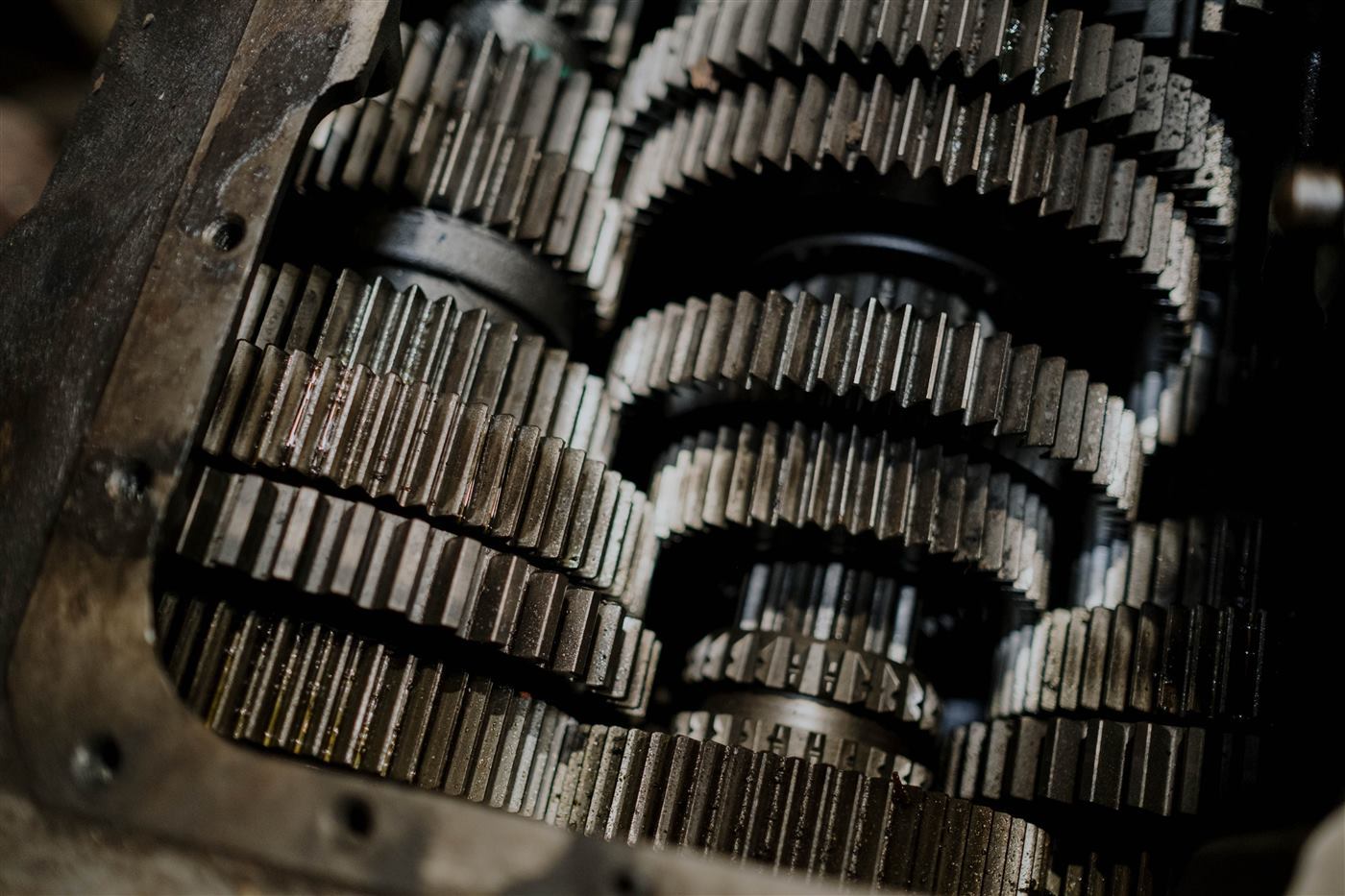
Before force is applied, identify snap rings, spacers, covers, keys, or fasteners that retain the bearing or shaft. Follow the exact service manual for the transmission model. Similar gearboxes can use different retention details and removal sequences.
Do not pull through a bearing cage, pry against a thin case wall, or let jaws slip across a gear tooth or seal surface. Keep the center point on an approved support point. If the bearing is designated for replacement, do not treat it as a reusable part; follow the manual regarding expected removal damage.
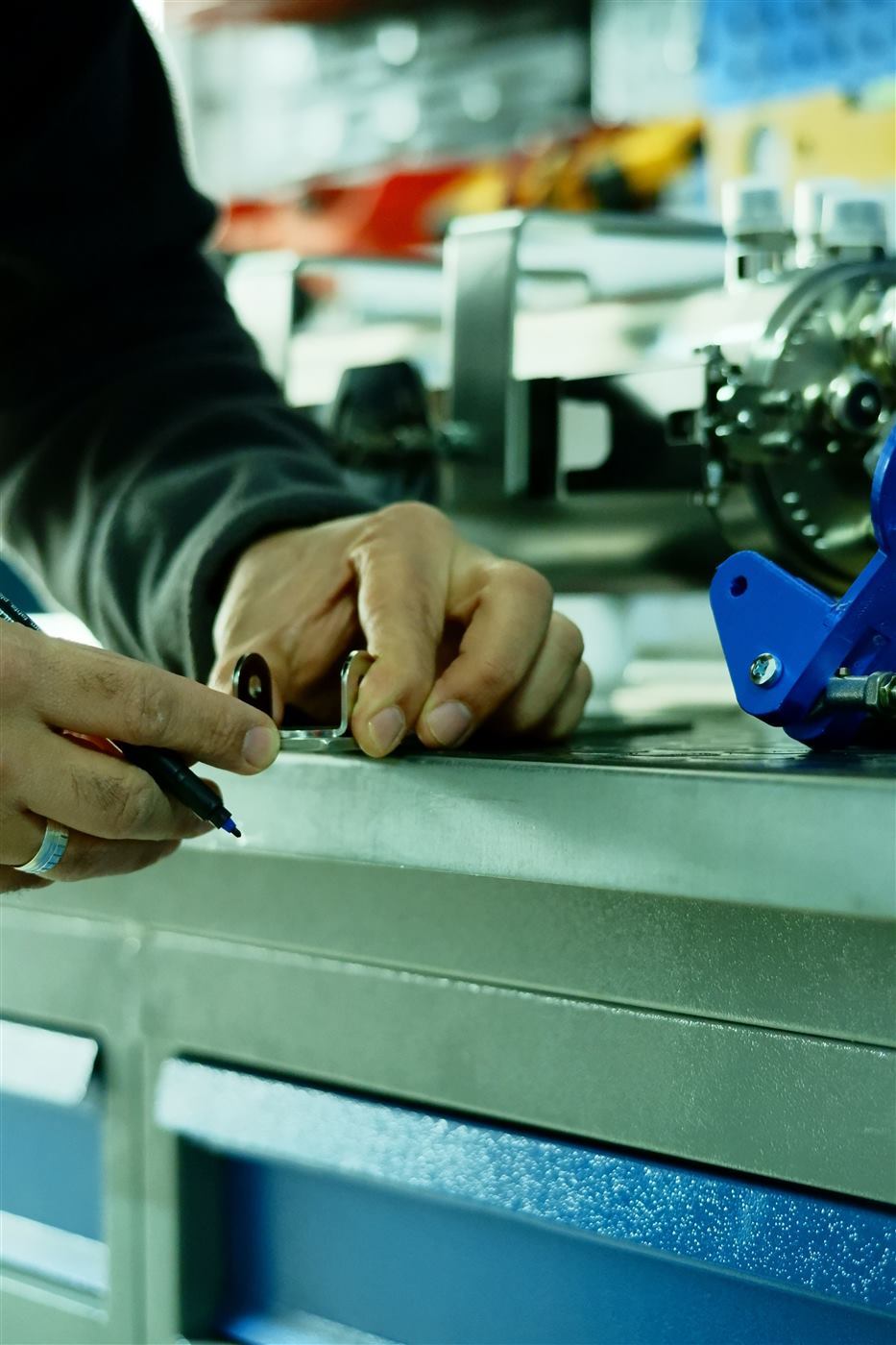
Stop when the puller does not fit squarely, the bearing fails to move under controlled force, or the housing begins to load unevenly. The correct alternative may be a dedicated fixture, race extractor, hydraulic setup, press, or specialist rebuild service.
Clean and inspect the shaft and bore after removal. Compare the replacement part with the service specification, then install it using the approved driver, press, and support arrangement. Removal tooling is not automatically suitable for installation.
DNT Tools supports workshops and distributors evaluating puller configurations for real access, component size, and service conditions. For an application-specific discussion, contact the support team with the available measurements and service details.