- Ningbo Dongning Tools Co.,Ltd
- Professional Chinese Tools manufacturer on automotive speciality tools,bearing puller&heavy truck tools
- Address
- No.6 Falan Rd,Hengjie Town,Ningbo City,Zhejiang,China
- Phone
- +86-574-87216625
- info@nbdntools.com
Hydraulic pullers are used to remove bearings, gears, couplings, hubs, and other press-fit parts from shafts or housings when manual force is insufficient or hard to control. They are common in plant maintenance, rotating equipment service, power transmission work, mining and processing equipment, and heavy manufacturing repair.
The right setup applies steady axial force while the jaws, separator, or attachment hold the component on the correct pulling surface. Capacity, reach, span, and support geometry must all match the job.
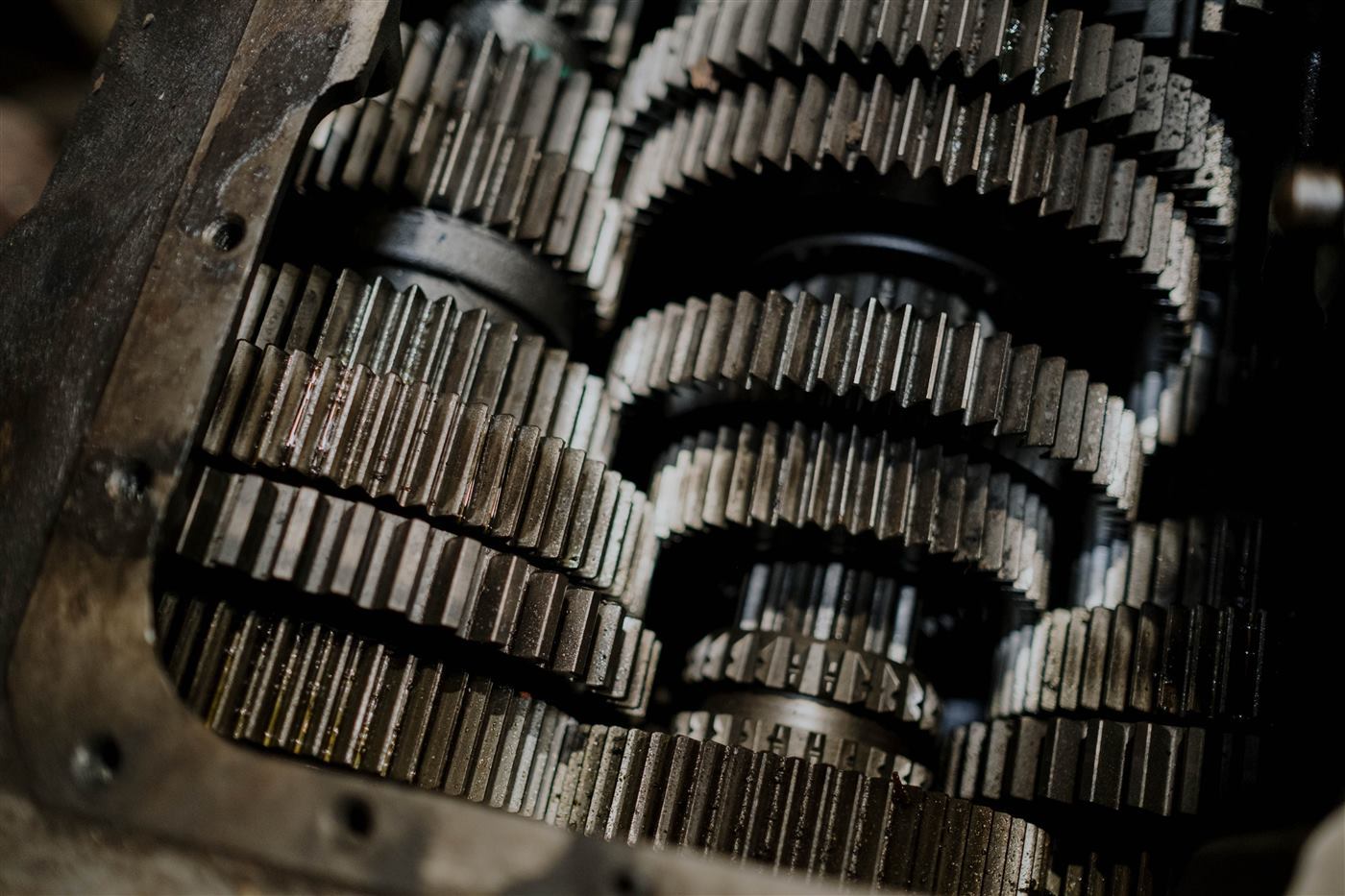
Electric motors, pumps, fans, gearboxes, and conveyors often contain shaft-mounted bearings. A hydraulic bearing puller can be useful when the bearing is large, tightly fitted, or affected by corrosion. The puller should bear against the race being removed, not against a cage, seal, or thin cover.
Industrial maintenance teams also use hydraulic pullers on gears, pulleys, sprockets, and couplings. Before pulling, confirm the component can accept the load and that any keys, retaining rings, fasteners, or locking devices have been removed according to the equipment procedure.
A hydraulic ram can provide a smooth, progressive load that is easier to monitor than striking or improvised leverage. That does not make the job automatic: a high-capacity puller used off-center can damage a shaft, bend a component, or release stored energy unexpectedly.
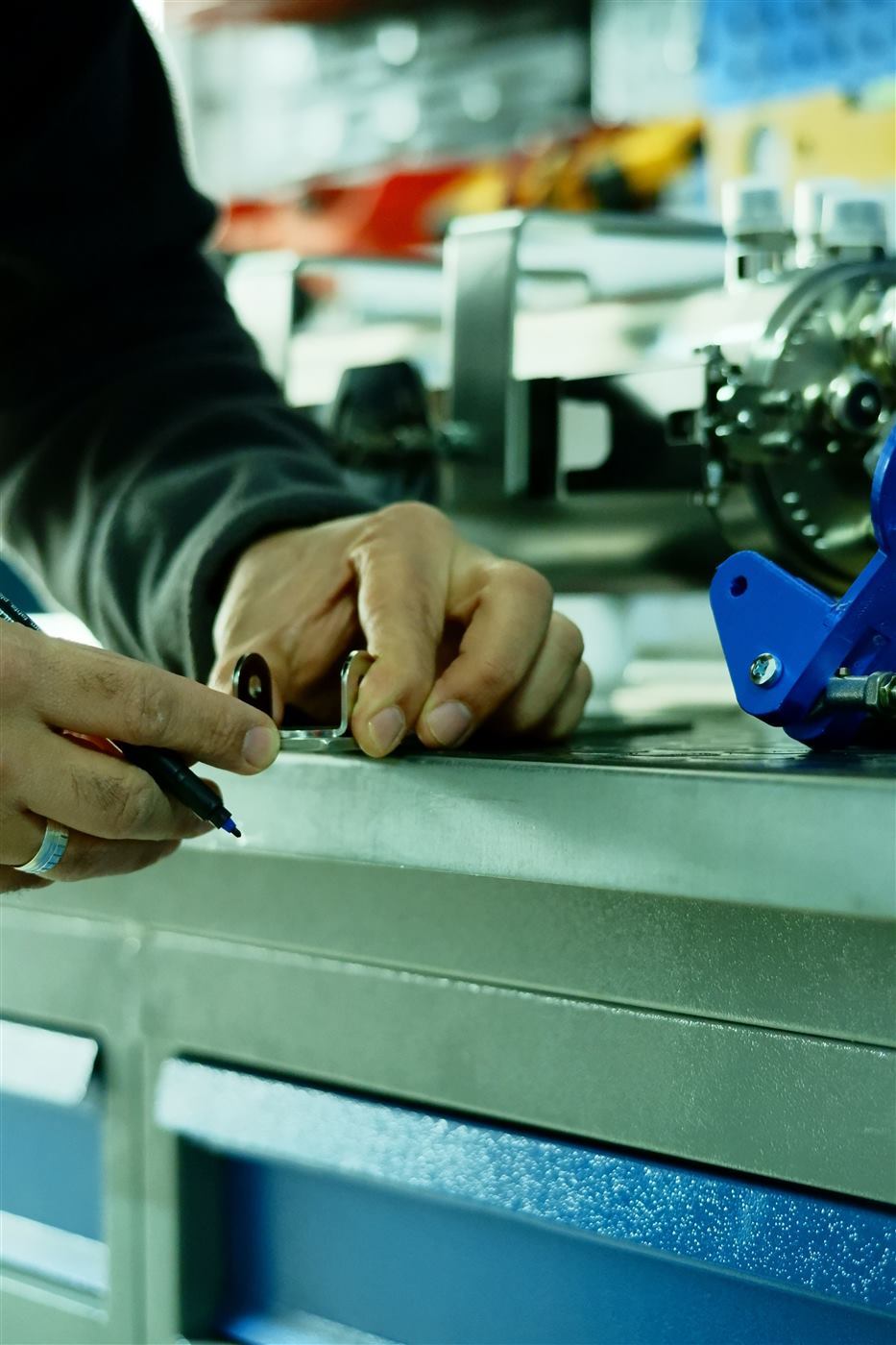
Inspect hoses, couplers, cylinders, puller arms, and adapters before use. Keep personnel clear of the line of pull, use eye protection, and never exceed rated pressure or capacity. Stop immediately if jaws walk, the assembly tilts, a hose leaks, or a component begins to crack or deform.
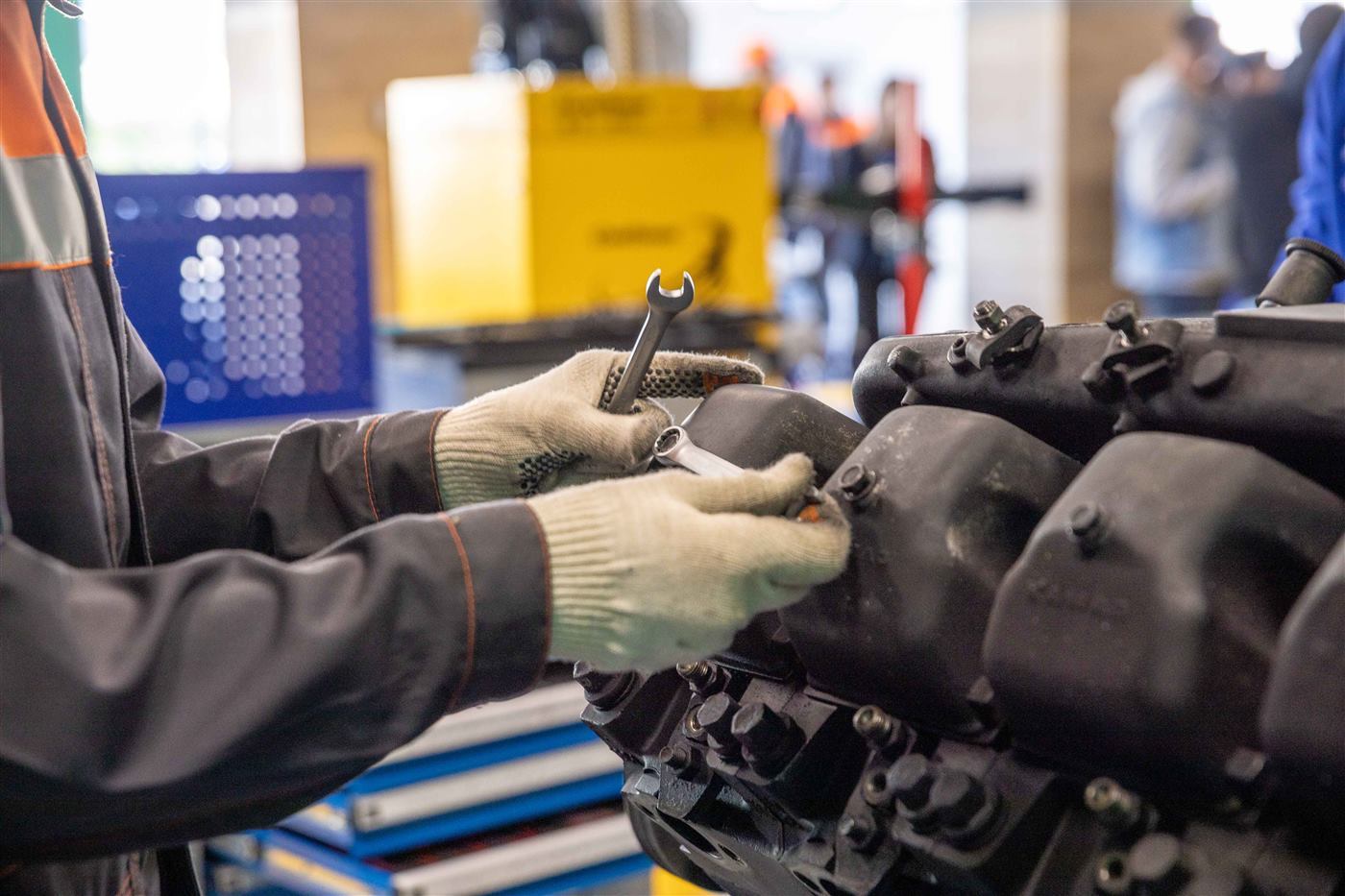
Stop and reassess if the component does not move under a controlled load or if service information specifies a press, induction method, dedicated fixture, or replacement of a damaged part. The safest method is the one that supports the component and controls force at the correct points.
Inspect the shaft, bore, keyway, shoulder, and removed component for fretting, scoring, corrosion, or heat marks. Record findings before installation. Use the approved installation process for the replacement part rather than reversing the removal setup by default.
DNT Tools supports workshops and distributors evaluating puller configurations for real access, component size, and service conditions. For an application-specific discussion, contact the support team with the available measurements and service details.