
- Ningbo Dongning Tools Co.,Ltd
- Professional Chinese Tools manufacturer on automotive speciality tools,bearing puller&heavy truck tools
- Address
- No.6 Falan Rd,Hengjie Town,Ningbo City,Zhejiang,China
- Phone
- +86-574-87216625
- info@nbdntools.com

The material used to manufacture a bearing puller directly affects its strength, durability, wear resistance, and service life. Among the most common materials used in puller production are alloy steel and carbon steel. While both materials can perform extraction tasks, their performance differs significantly when subjected to heavy loads, repeated use, and demanding workshop conditions.
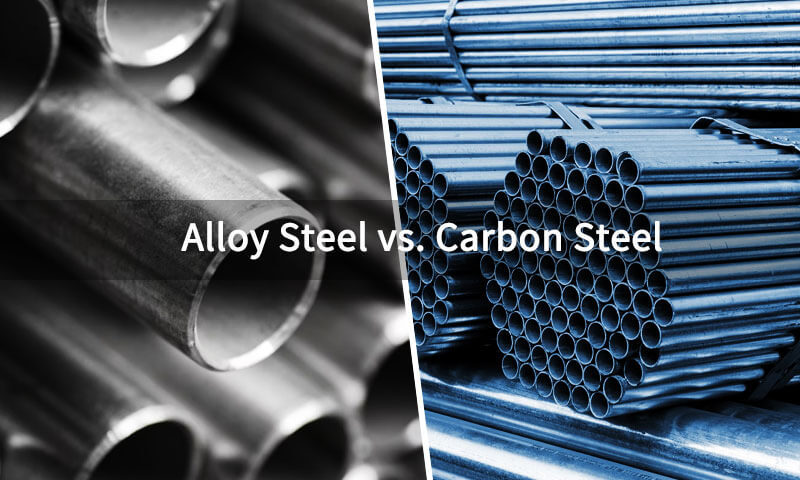
Pullers are exposed to extremely high extraction forces during bearing, gear, and pulley removal. The quality of the steel determines whether the tool can withstand repeated heavy loads without bending, cracking, excessive wear, or premature failure.
Carbon steel pullers are manufactured primarily from iron and carbon. They are widely used because of their affordability, ease of manufacturing, and suitability for general maintenance applications. Carbon steel provides good strength for light to medium-duty tasks and is commonly found in entry-level and general-purpose puller sets.
Alloy steel pullers contain additional elements such as chromium, molybdenum, vanadium, nickel, and manganese. These alloying elements significantly improve mechanical properties, making the puller stronger, tougher, and more resistant to wear and fatigue.
These materials are widely used in professional bearing pullers, hydraulic pullers, gear pullers, and heavy-duty industrial extraction tools.
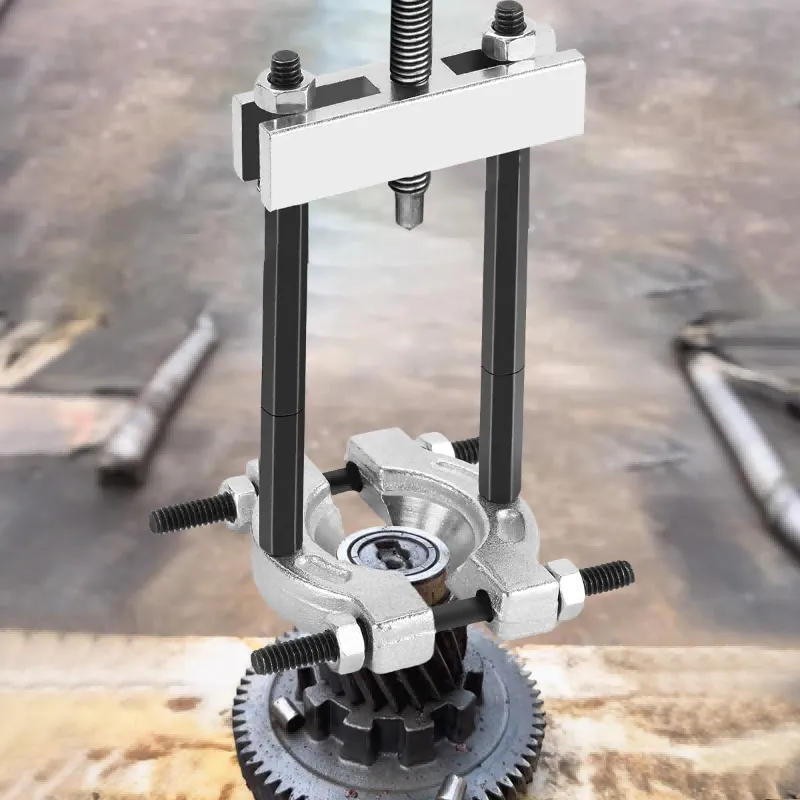
Strength is one of the most important factors when evaluating puller performance. During extraction, large forces are concentrated on the jaws, cross beam, and forcing screw. Alloy steel provides significantly greater tensile and yield strength, allowing the tool to withstand higher loads without permanent deformation.
Toughness refers to a material's ability to absorb energy without cracking. During difficult bearing removals, shock loads and uneven force distribution can occur unexpectedly. Alloy steel pullers generally provide superior toughness, making them less likely to fracture during demanding extraction operations.
Puller jaws, threads, and forcing screws experience constant friction and stress during use. Alloy steels contain alloying elements that improve surface hardness and wear resistance, helping maintain extraction accuracy and extending tool life.
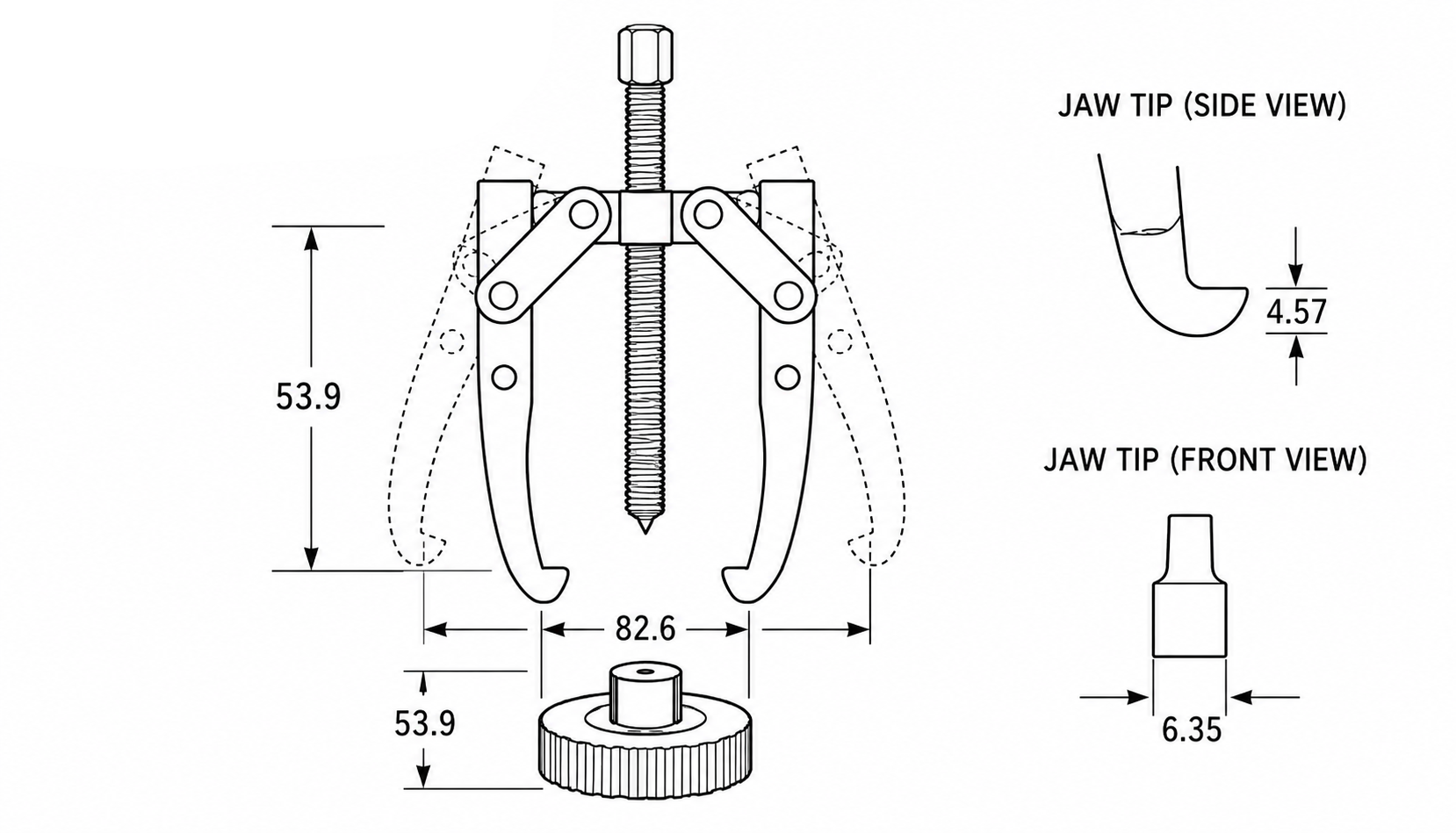
Professional repair shops often perform hundreds of extraction operations every year. In these environments, alloy steel pullers maintain performance longer and require less replacement compared with standard carbon steel alternatives.
Pullers frequently operate in environments exposed to oil, grease, moisture, and chemicals. While neither material is fully corrosion-proof without surface treatment, alloy steel generally offers better resistance to corrosion, especially when combined with protective coatings such as black oxide, phosphate treatment, or chrome plating.
Heat treatment plays a critical role in puller manufacturing. Alloy steels respond more effectively to quenching and tempering processes, allowing manufacturers to achieve deeper hardness penetration and more consistent mechanical properties throughout the tool.
| Feature | Alloy Steel Pullers | Carbon Steel Pullers |
|---|---|---|
| Strength | Excellent | Good |
| Toughness | Excellent | Moderate |
| Wear Resistance | High | Medium |
| Service Life | Long | Shorter |
| Corrosion Resistance | Better | Lower |
| Cost | Higher | Lower |
| Heavy-Duty Applications | Highly Recommended | Limited |
For occasional maintenance and budget-conscious users, carbon steel pullers can provide sufficient performance. However, for professional mechanics, fleet maintenance centers, heavy truck workshops, and industrial facilities, alloy steel pullers offer superior reliability, longer service life, and greater resistance to demanding operating conditions.
Both alloy steel and carbon steel pullers have their place in the market. Carbon steel offers affordability and acceptable performance for light-duty applications, while alloy steel delivers higher strength, toughness, wear resistance, and durability. For demanding bearing removal tasks and professional workshop environments, alloy steel remains the preferred material choice for long-term performance and dependable operation.