- Ningbo Dongning Tools Co.,Ltd
- Professional Chinese Tools manufacturer on automotive speciality tools,bearing puller&heavy truck tools
- Address
- No.6 Falan Rd,Hengjie Town,Ningbo City,Zhejiang,China
- Phone
- +86-574-87216625
- info@nbdntools.com

A bearing separator, sometimes called a bearing splitter, is a specialized tool used to remove bearings, gears, pulleys, and other press-fit components when there is little or no clearance available for standard puller jaws. By using two hardened steel halves with tapered edges, a bearing separator creates a secure gripping surface behind the component, allowing safe and controlled extraction.
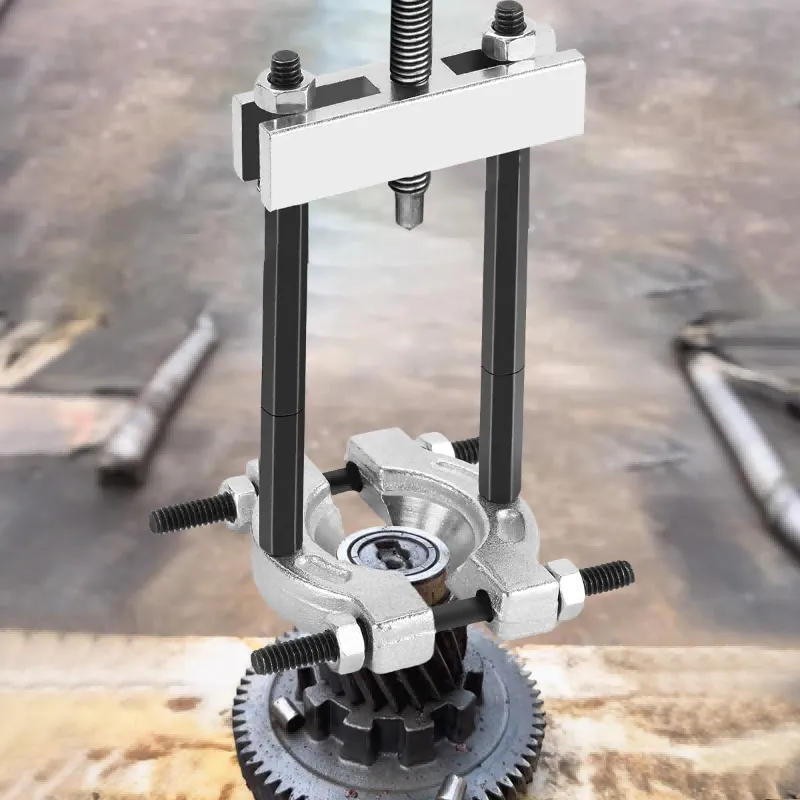
Many bearings are installed tightly against shafts, shoulders, housings, or gears, leaving no space for conventional puller jaws to grip. A bearing separator solves this problem by sliding behind the bearing and providing a secure pulling surface for mechanical pullers, hydraulic pullers, or shop presses.
The separator consists of two precision-machined steel halves. Each half features a tapered knife edge designed to slide into narrow gaps behind bearings and other components.
High-strength bolts join the separator halves together and allow the tool to clamp tightly behind the bearing during extraction.
Puller bars connect the separator to a puller assembly or hydraulic system, transferring extraction force from the puller to the bearing.
The actual pulling force is generated by a forcing screw or hydraulic cylinder attached to the separator assembly. This force removes the bearing from the shaft in a controlled manner.
A bearing separator is not usually used alone. It works together with a puller or press system, creating a complete extraction solution for components that cannot be reached by standard pullers.
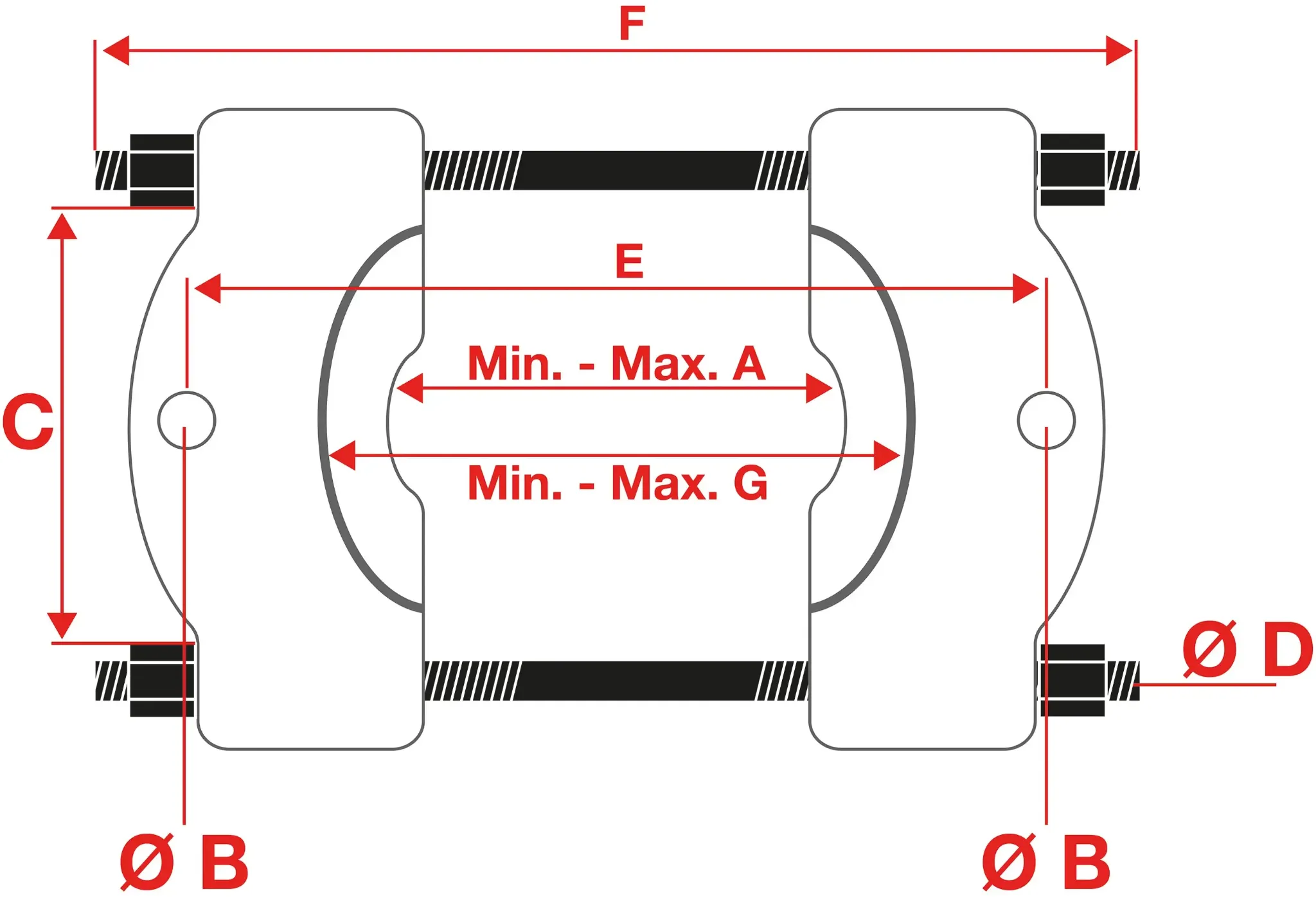
The two separator halves are placed around the shaft and positioned behind the bearing. The tapered edges are carefully inserted into the narrow clearance available behind the component.
The bolts are tightened evenly, forcing the separator halves together. As they tighten, the knife edges move deeper behind the bearing and establish a secure grip.
Puller bars and a cross beam are connected to the separator. The assembly is then linked to either a forcing screw puller or a hydraulic puller.
The puller generates axial force while the separator remains locked behind the bearing. The bearing gradually moves away from the shaft as pulling force increases.
Once sufficient force is applied, the bearing separates from the shaft and can be removed safely without damaging surrounding components.
The effectiveness of a bearing separator comes from its thin tapered edges. These edges can access extremely tight spaces that conventional puller jaws cannot reach, making bearing separators one of the most valuable tools for difficult extraction jobs.
| Feature | Benefit |
|---|---|
| Tapered Knife Edges | Access very limited clearances |
| Split Design | Fits around shafts easily |
| Secure Clamping | Provides stable extraction support |
| Puller Compatibility | Works with mechanical and hydraulic pullers |
Bearing separators are commonly used for wheel bearings, gearbox bearings, transmission shafts, electric motors, industrial machinery, agricultural equipment, heavy truck drivetrains, and gear assemblies where rear access is limited.
| Feature | Bearing Separator | Standard Puller |
|---|---|---|
| Limited Clearance Access | Excellent | Limited |
| Gripping Method | Knife-edge separator halves | Puller jaws |
| Best Application | Bearings with no rear clearance | General extraction tasks |
| Force Source | Requires puller or press | Integrated extraction mechanism |
A bearing separator works by inserting two tapered steel halves behind a bearing and creating a secure extraction point where standard puller jaws cannot reach. When combined with a puller or hydraulic system, it provides a safe, controlled, and highly effective method for removing tightly mounted bearings, gears, pulleys, and other press-fit components in professional maintenance environments.