OEM Automotive Tools Manufacturer | Bearing Pullers & Repair Tools Supplier

Home / All / Support / How to Select Puller Accessories for Difficult Removal Jobs

How to Select Puller Accessories for Difficult Removal Jobs

Update Time:2026/10/10

Direct answer

Choose puller accessories by solving the access problem first: identify where the tool can safely grip, how much reach is needed, and which component ring or surface should carry the pulling force.

Identify the contact point before choosing hardware

Difficult removals become manageable once the correct contact point is clear. Determine whether the puller must grip behind an inner ring, outer ring, hub, gear, blind bore, or recessed feature.

  • Use the interference-fit ring as the preferred force path where possible.
  • Do not hook thin or damaged edges simply because they are visible.
  • Inspect the surrounding housing for an access route before disassembly.

Use bearing separators for tight shoulder clearances

A separator is useful when ordinary jaw tips cannot get behind the bearing. Its two halves can create a more even grip behind the ring and connect to a pulling yoke or legs.
  • Match the separator opening to the shaft and bearing geometry.
  • Keep both halves level and tightened evenly.
  • Confirm that the yoke and legs are rated for the same job.
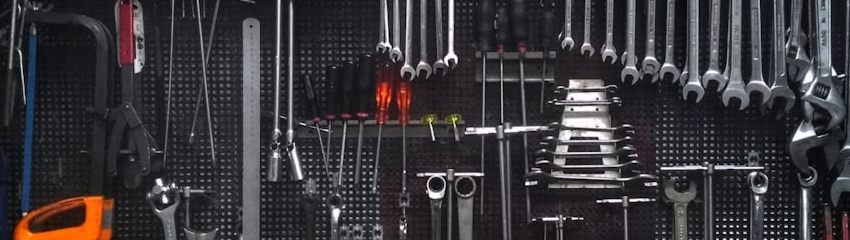
Bearing separator positioned beside a bearing on a workshop bench
Separators create a controlled grip where ordinary puller jaws cannot reach.

Choose pulling plates for even ring support

Segmented or pulling plates help distribute force around a bearing inner ring. They are especially helpful where a narrow gap exists and a standard hook would concentrate load at only a few points.

  • Select a plate size that fully supports the ring.
  • Avoid plate edges that touch rolling elements or seals.
  • Use matched plates and fasteners as a set.

Use collets and internal attachments for blind holes

For a bearing inside a bore, an expanding collet or internal attachment can grip from within. Pair it with the correct bridge or slide-hammer arrangement rather than improvising an external hook.
  • Verify the collet range against the bore diameter.
  • Engage the collet fully before applying impact or pulling force.
  • Keep the bridge square to the bore opening.
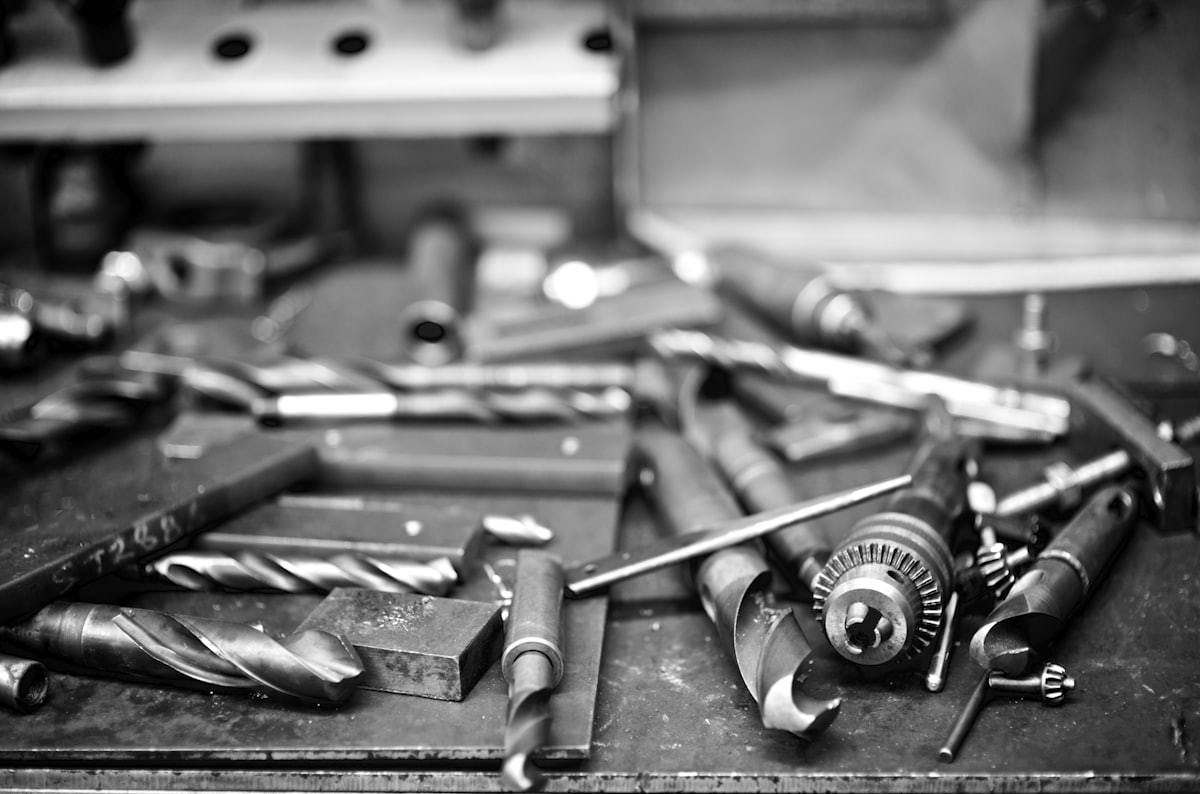
Puller extension legs and adapters arranged on a workshop bench
Choose extensions and adapters as matched components of the same pulling system.

Add reach with approved extension legs only

Extension legs solve depth problems, but they also change stiffness and alignment. Use only the lengths and combinations designed for the puller system, and keep both sides equal.

  • Measure the required reach before selecting the extension.
  • Use equal leg lengths on a symmetrical pull.
  • Re-check capacity limits when extensions are installed.

Match adapters to the force screw and component

Adapters protect a shaft end, support a center point, or connect a specialized attachment. The adapter should seat flat and remain centered throughout the pull.
  • Use a correct center point to prevent screw wandering.
  • Do not stack loose washers as an adapter.
  • Replace damaged adapters rather than dressing them with a grinder.
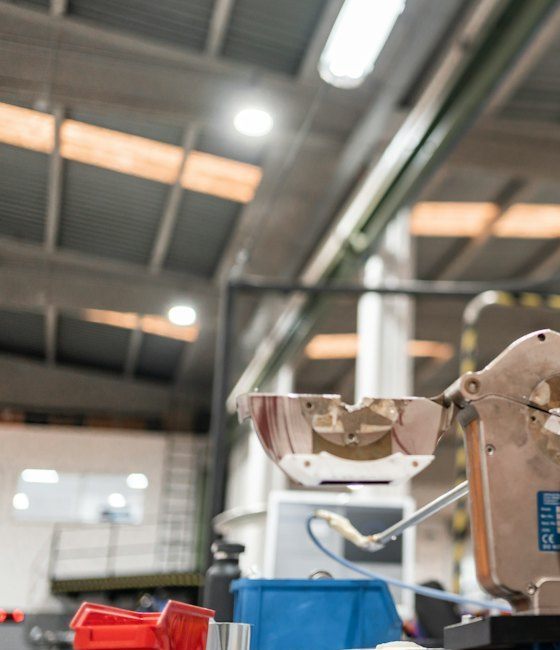
Technician selecting an internal collet for a recessed component
Internal attachments should match the bore diameter and available engagement depth.

Treat the assembly as one rated system

The safe capacity is limited by the lowest-rated element, not the largest puller frame. Confirm compatibility among legs, yoke, separator, plates, bridge, and any hydraulic equipment.

  • Keep accessory sets labeled and organized by size.
  • Do not mix unknown components from different systems.
  • Remove damaged hardware from service immediately.

Prepare a stop-and-reassess point

If resistance rises sharply, the component moves unevenly, or an accessory starts to shift, release the load and reset the tool. DNT Tools can help specify a complete accessory combination for difficult service work.

  • Plan a safe body position before tensioning.
  • Use shielding where the application calls for it.
  • Escalate the method when the access or force requirement exceeds the setup.

When to ask for application support

For an unfamiliar fit, limited access, or a high-load removal, share the shaft size, component outside diameter, available reach, and photos with DNT Tools before choosing the puller configuration.

Discuss a puller application
Are you looking for a reliable manufacturer of Automotive Tools&Hand Tools?

We can quickly provide customers with market analysis, technical support and customized services.