Home / All / Support / How to Choose the Right Bearing Puller for Your Workshop
How to Choose the Right Bearing Puller for Your Workshop
Update Time:2026/9/18
Choose a workshop bearing puller by matching the part, available jaw access, reach, spread, required force, jaw count, and the frequency of the repair work.
Short Answer
The right bearing puller is the one that matches the component and the access around it, not simply the largest puller in the cabinet. Select by puller type, jaw access, spread, reach, rated capacity, and the regular work performed in your workshop.
List Your Typical Jobs
Start with the parts your team removes most often: alternator pulleys, wheel bearings, gears, hubs, transmission bearings, or internal bearings. A compact workshop may need a versatile reversible jaw set first, while a commercial repair bay may need separators, internal pullers, and hydraulic capacity as well.
List Your Typical Jobs
Choose the Correct Puller Type
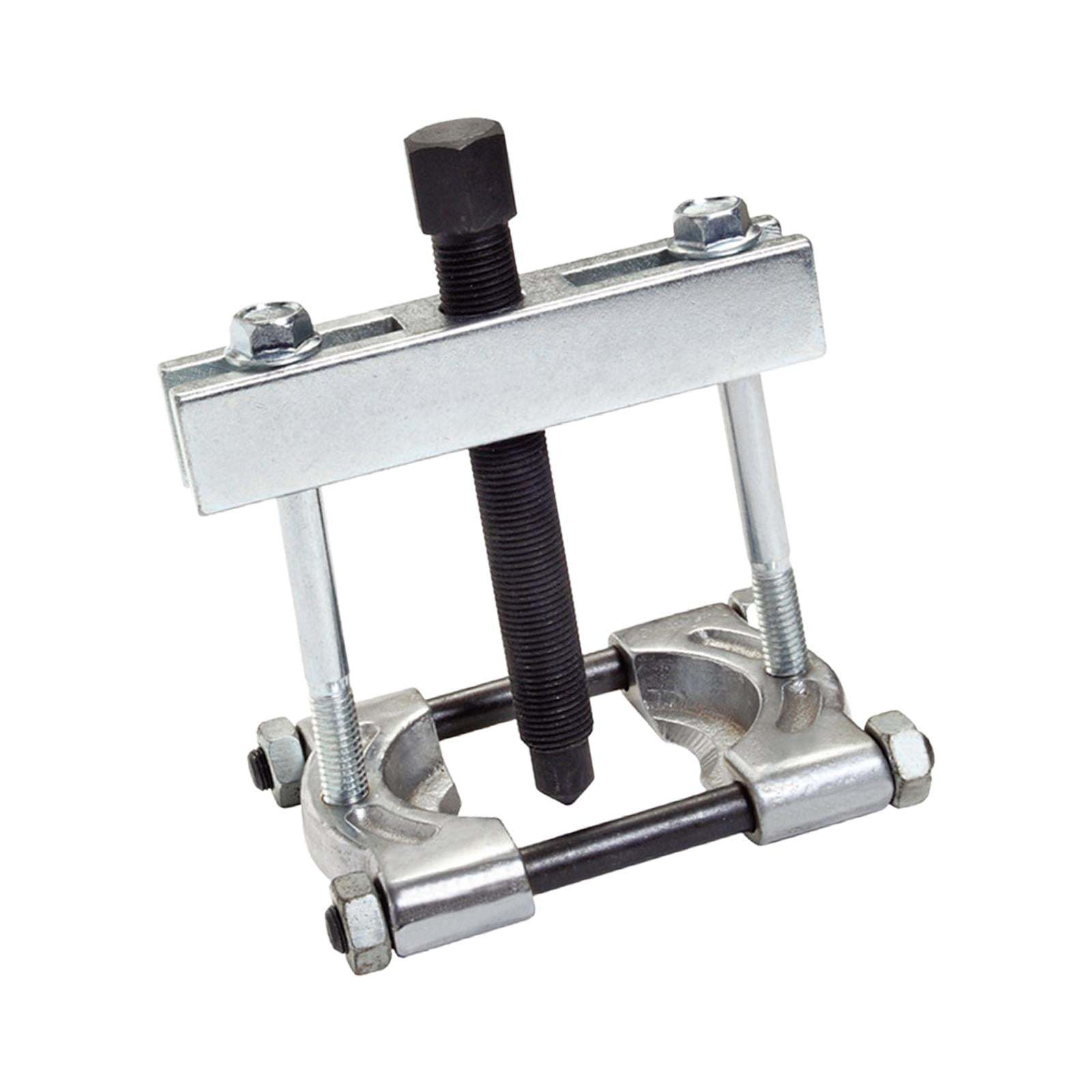
External jaw pullers grip an accessible outside edge. Internal pullers work from a bore when the outside is unavailable. A bearing separator creates a pulling surface when no usable lip exists. Hydraulic pullers suit larger or seized components, while screw pullers are practical for lighter routine work.
Measure Spread Before Buying
Measure the largest outside diameter the jaws must clear and compare it with the tool's usable minimum and maximum spread. Include nearby housings, brake parts, covers, and other obstacles. A catalog spread rating is useful only if the jaws can actually approach and seat on the chosen component.
Measure Reach Before Buying
Reach is the distance needed from the jaw grip point to the shaft end or the puller's crosshead. Measure from the rear face where the jaw must engage, not from the visible front face. Select the shortest jaw length that provides full engagement because unnecessary length increases deflection.
Measure Reach Before Buying
Select Two or Three Jaws by Access
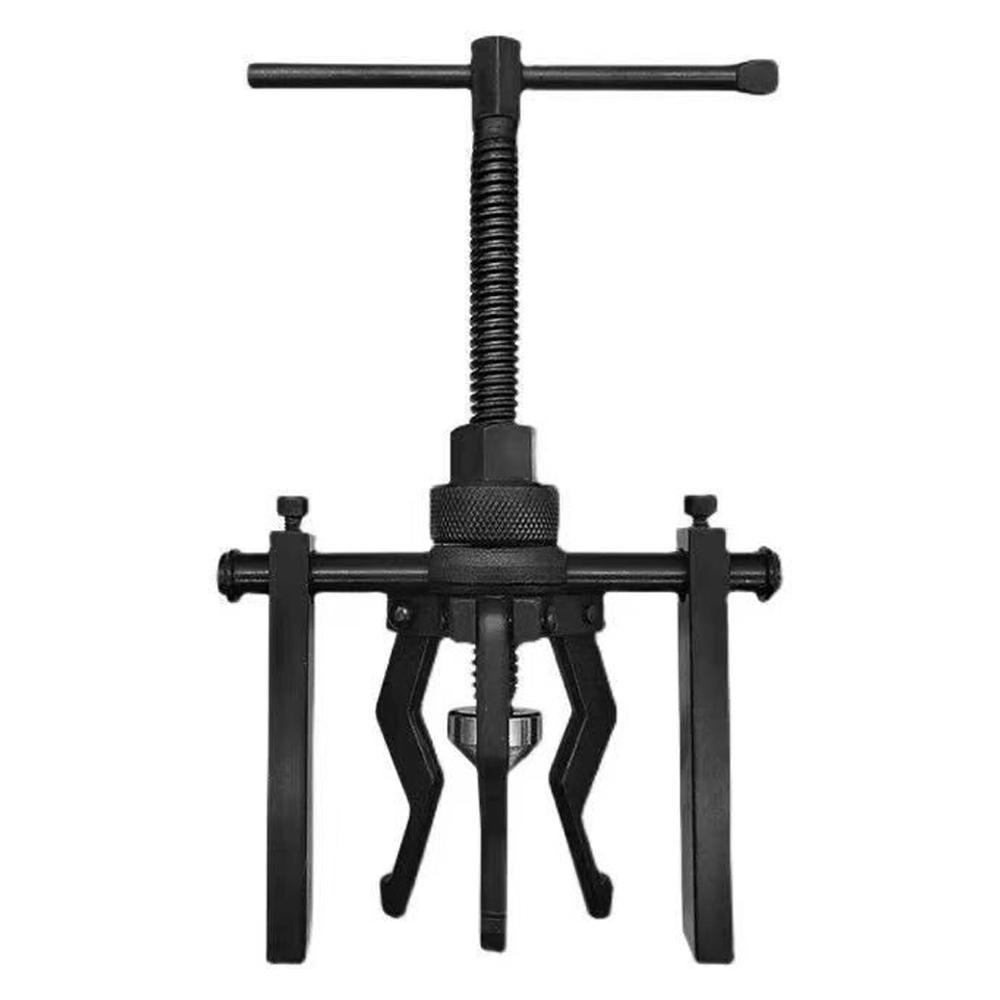
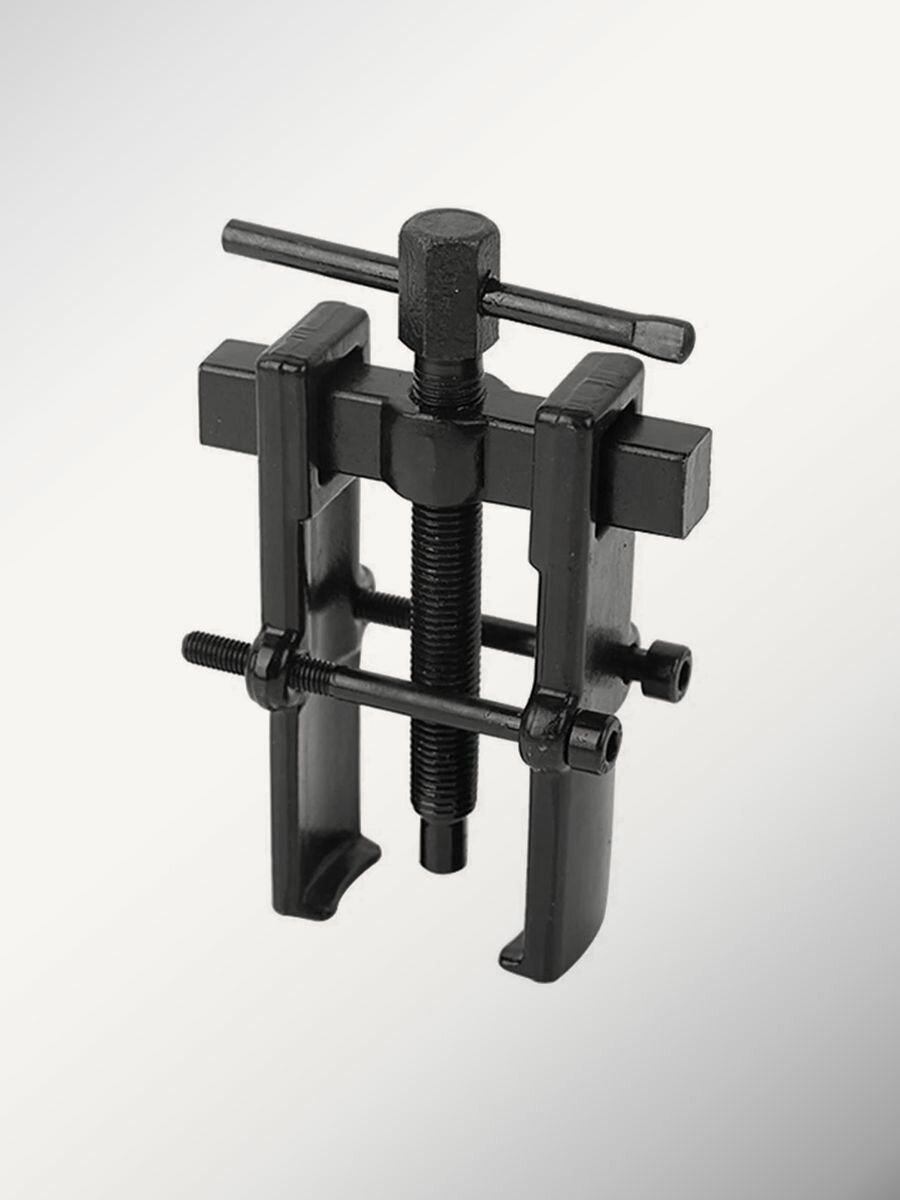
Three jaws are normally the stable option for round parts with space around the circumference because they self-center more easily and share load across three points. Two jaws are useful where housings, spokes, or other obstructions prevent a third jaw. In either case, keep the puller centered on the shaft.
Match Capacity to the Job
The rated pull capacity must exceed the expected removal load with a sensible margin. Larger bearings, corroded assemblies, and heavy press fits need more than a light-duty kit. Capacity is not permission to exceed the component or fixture limits; it is one part of a complete safe setup.
Build a Useful Workshop Kit
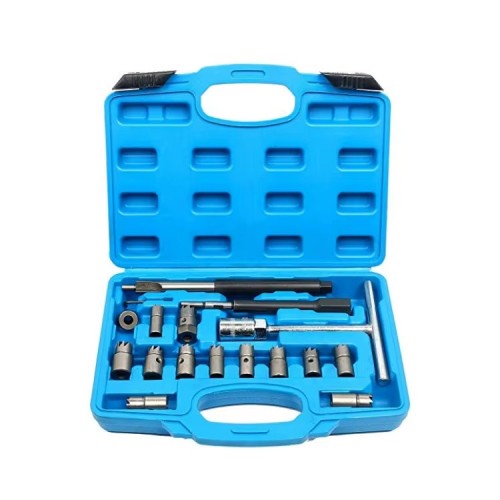
A practical kit often combines a reversible two- or three-jaw puller, narrow jaws, extension legs, a bearing separator, an internal puller set, adapters, and a hydraulic option for high-force jobs. Store the components together and keep ratings and setup instructions available to technicians.
Build a Useful Workshop Kit
Inspect and Maintain the Puller
Before use, inspect jaw hooks, forcing-screw threads, crossheads, adapters, and retaining hardware for cracks, spreading, bent parts, or damaged threads. Lubricate the forcing screw as specified and retire distorted components. A clean, maintained puller delivers more predictable force and reduces setup problems.