- Ningbo Dongning Tools Co.,Ltd
- Professional Chinese Tools manufacturer on automotive speciality tools,bearing puller&heavy truck tools
- Address
- No.6 Falan Rd,Hengjie Town,Ningbo City,Zhejiang,China
- Phone
- +86-574-87216625
- info@nbdntools.com

Direct answer: Reach is the usable distance from the forcing-screw contact point to the jaw or separator grip. Spread is the usable distance across the jaws at the component. Both dimensions must fit the bearing and surrounding transmission geometry before load is applied.
Reach is the usable distance from the forcing-screw contact point to the jaw or separator grip. Spread is the usable distance across the jaws at the component. Both dimensions must fit the bearing and surrounding transmission geometry before load is applied.
Measure from the face where the forcing screw will bear to the back of the bearing inner ring, separator, or approved pull point. Do not use a seal lip, cage, gear tooth, or thin housing edge as a measurement reference.
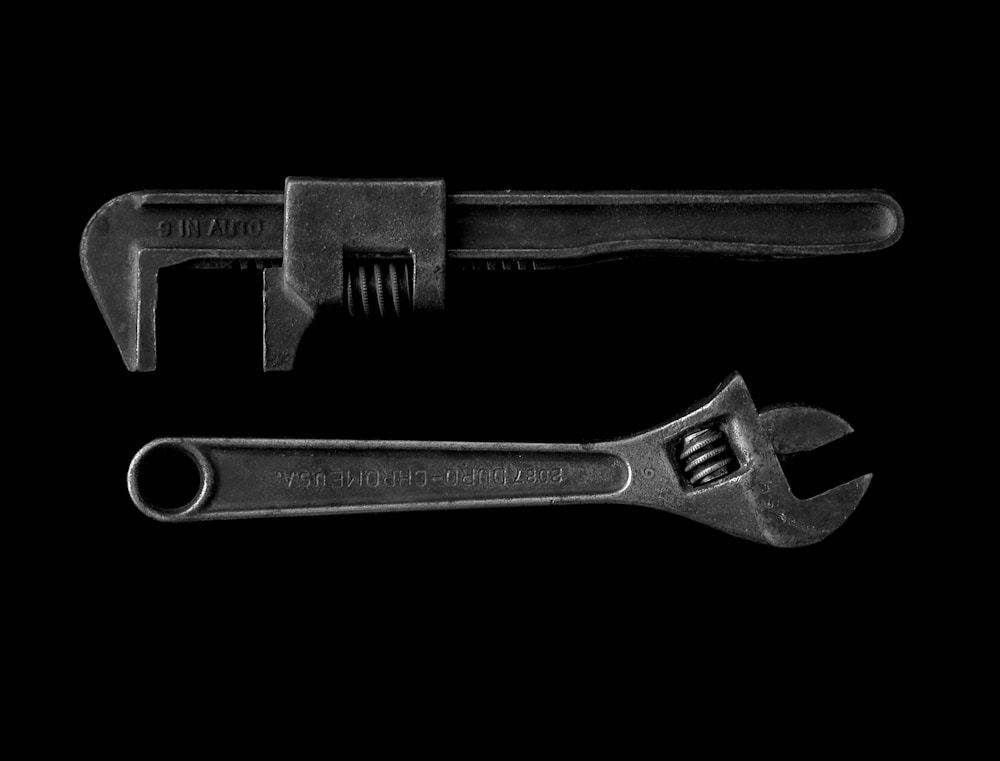
Use a depth gauge, rule, or caliper to measure the straight-line distance the puller must bridge. Include any extension, separator thickness, crosshead, and clearance needed for the forcing screw to stay centered.
Measure the distance between the outermost usable contact points behind the bearing or gear. Compare it with the jaw spread range at the working depth, not only at the jaw tips.
Transmission cases, nearby gears, forks, and shafts can prevent jaws from opening fully. Verify that the puller frame and handles have room to operate without levering against a casting.
When there is little space behind an inner ring, measure the gap for a bearing separator. The separator must sit flat and support both sides of the ring before it is connected to the puller.
Correct reach and spread do not prove that a puller is strong enough. Compare the expected fit and component condition with the rated capacity of the complete puller arrangement.
Set the puller lightly, then sight along the shaft axis and confirm equal jaw contact. A trial setup can reveal a crooked screw, uneven jaw engagement, or insufficient spread before high force is used.

For recurring transmission models, record the reach, spread, separator size, and support method. DNT Tools can help a workshop match puller and separator configurations to its common bearing dimensions.
For a puller, separator, or support setup matched to your application, contact DNT Tools with the component dimensions.