- Ningbo Dongning Tools Co.,Ltd
- Professional Chinese Tools manufacturer on automotive speciality tools,bearing puller&heavy truck tools
- Address
- No.6 Falan Rd,Hengjie Town,Ningbo City,Zhejiang,China
- Phone
- +86-574-87216625
- info@nbdntools.com

A bearing separator and a jaw puller solve different access problems in gearbox repair. The safer option is the tool that grips a strong intended surface, stays aligned with the shaft, and follows the component-specific service procedure.
A jaw puller hooks around an exposed outer edge or hub, while a separator clamps behind a narrow component surface and connects to a bridge or puller. Their contact geometry drives the choice.
Jaw pullers are useful when there is adequate space around a strong hub or shoulder and the jaws can sit evenly. They are not suitable when the only available edge is thin, damaged, or close to gear teeth.
A separator can create a positive grip behind a bearing inner ring or close to a shoulder where hooks cannot fit. Its halves should close evenly and bear on a surface that can safely carry the extraction load.
Incorrect jaw placement can mar a gear face, cage, seal surface, or housing edge. A poorly seated separator can also slip, so confirm full contact and use the bridge hardware intended for that separator.
Jaw pullers need room for their legs and a centered forcing screw. Separators need clearance to close behind the component plus space for the bridge, rods, or puller head above it.
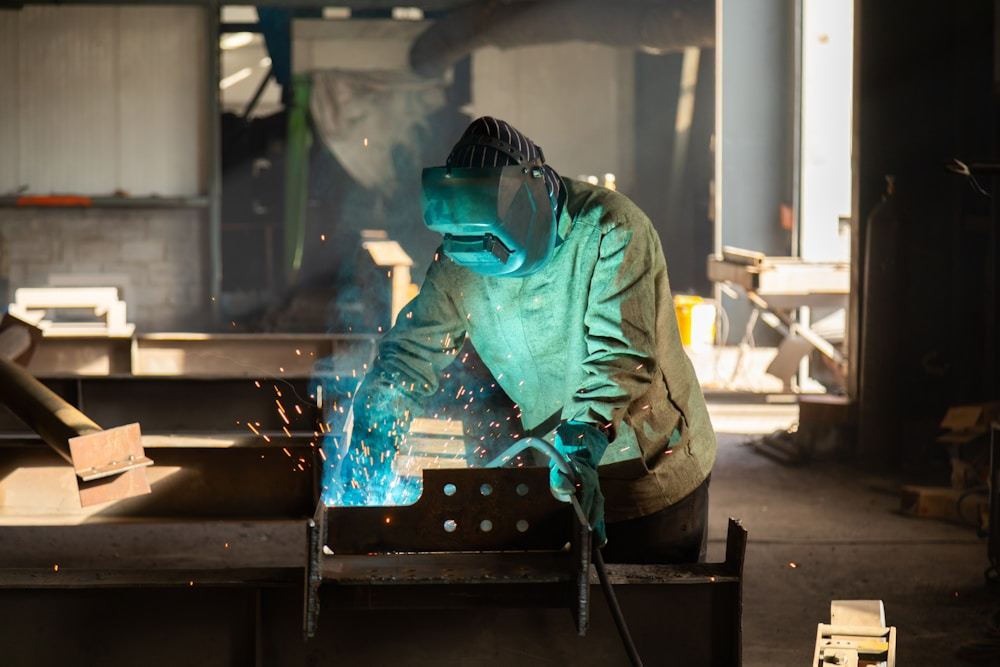
Where a bearing is being removed from a shaft, arrange the separator or puller to act on the appropriate ring. Do not use a setup that forces through balls, rollers, or a cage unless the official procedure explicitly requires it.
Both tool styles can be paired with hydraulic equipment for difficult fits, but the entire assembly must be rated and stable. Keep personnel clear of the line of force and stop at the first sign of movement out of alignment.
Measure the part diameter, shoulder depth, access around the case, and available puller reach before selecting equipment. A quick measurement often rules out an unsafe jaw position or an undersized separator.
Clean and inspect contact areas, confirm retainers are released, protect finished surfaces, and document the setup before applying force. DNT Tools can help compare separator and jaw-puller configurations for your actual dimensions.
Need a puller setup matched to your shaft, bearing, and access dimensions? Contact DNT Tools with the component details and available clearance.