OEM Automotive Specialty Tool Manufacturing
What Is OEM Automotive Specialty Tool Manufacturing
OEM automotive specialty tool manufacturing refers to the production of tools designed and manufactured by one company for another brand, which then sells the products under its own name. This business model allows tool brands, distributors, and workshops to offer customized products without operating their own manufacturing facilities.
OEM Manufacturing Process Overview
The manufacturing process typically involves multiple stages including product design, material selection, production, quality inspection, and final delivery. Each step is carefully controlled to ensure the tools meet the required specifications and performance standards.
Design and Engineering
The process begins with product design based on customer requirements. Engineers develop tool structures, dimensions, and technical specifications to ensure compatibility with specific automotive applications.
Material Selection
High-strength materials such as alloy steel and carbon steel are commonly used to ensure durability and load capacity. Material selection directly affects tool performance and lifespan.
Forging and Forming
Forging processes shape raw metal into tool components under high pressure, improving strength and structural integrity. This step is essential for heavy-duty tools that must withstand high mechanical loads.
CNC Machining
After forging, components are processed using CNC machines to achieve precise dimensions and tight tolerances. This ensures accurate fit and smooth operation during use.
Heat Treatment
Heat treatment processes such as hardening and tempering are applied to improve strength, wear resistance, and durability of the tools.
Surface Finishing
Surface treatments such as coating, polishing, or plating enhance corrosion resistance and improve product appearance. This step also contributes to long-term durability.
Quality Control and Testing
OEM manufacturers implement strict quality control systems to ensure consistent product performance. This includes dimensional inspection, load testing, and functional testing at different stages of production to verify that each tool meets required standards.
Customization and OEM Capabilities
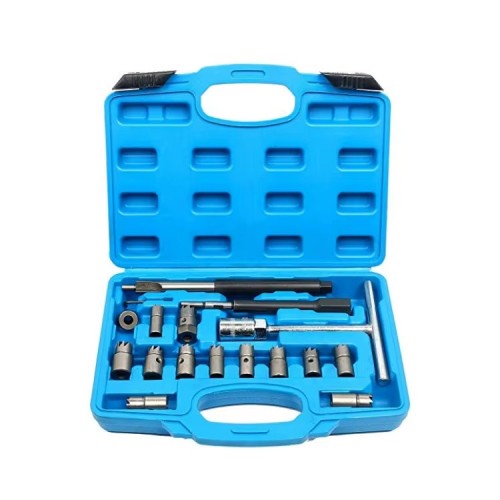
OEM manufacturing allows extensive customization, including logo branding, color selection, packaging design, and tool kit configuration. This flexibility enables brands to create differentiated products for specific markets and customer segments.
Advantages of OEM Manufacturing
Cost Efficiency
OEM production allows companies to reduce manufacturing costs by leveraging specialized factories with established production systems.
Scalability
Manufacturers can scale production from small batches to large volumes, supporting both new product development and mass production.
Technical Expertise
OEM manufacturers often specialize in specific tool categories, offering engineering expertise and production experience that improves product quality.
Applications in Automotive Tool Industry
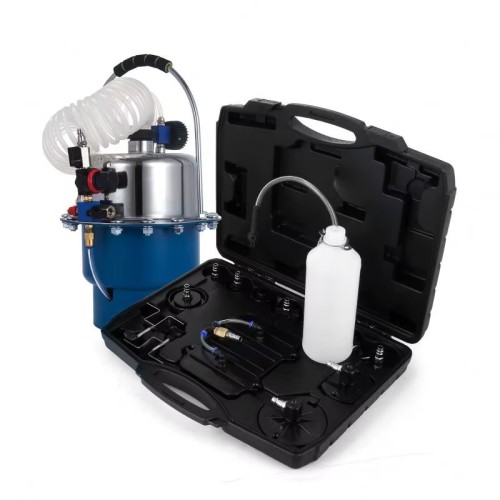
OEM automotive specialty tools are widely used in engine repair, brake service, suspension maintenance, gearbox repair, and diagnostic applications. These tools are supplied to global brands, distributors, and professional workshops.
Summary
OEM automotive specialty tool manufacturing combines engineering design, advanced production processes, and strict quality control to deliver customized tools for global brands. This model enables efficient production, flexible customization, and reliable supply for the automotive repair industry.