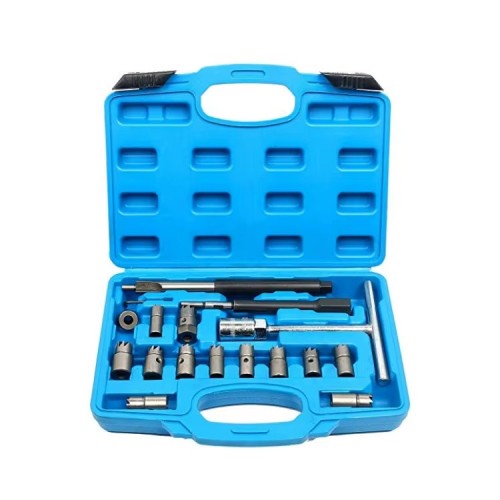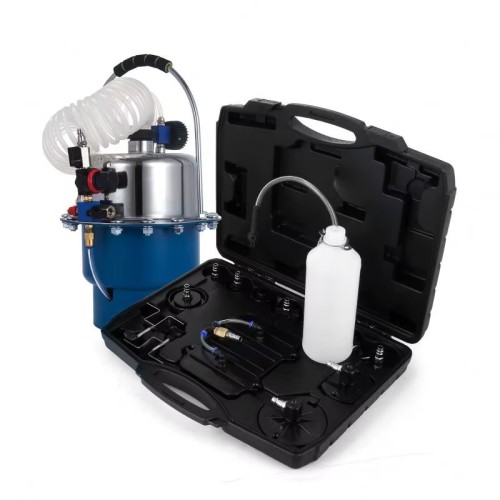
Essential Automotive Specialty Tools for Professional Mechanics
Overview of Essential Automotive Specialty Tools
Professional mechanics rely on a wide range of automotive specialty tools to perform precise, efficient, and safe repairs. Unlike general hand tools, these tools are designed for specific systems such as engines, brakes, suspension, and vehicle diagnostics. Having the right specialty tools significantly improves repair accuracy and reduces the risk of component damage.
Engine Service Tools
Engine repair requires specialized tools that ensure precision during assembly and disassembly. Common examples include valve spring compressors, timing tool kits, piston ring compressors, and camshaft locking tools. These tools are essential for maintaining engine performance and preventing internal damage during repairs.
Typical Applications
Engine specialty tools are used in cylinder head repair, timing system alignment, valve replacement, and engine overhauls. They allow mechanics to work accurately within tight tolerances required by modern engines.
Brake System Tools
Brake service tools are essential for maintaining vehicle safety systems. These include brake caliper wind-back tools, brake bleeder kits, brake spring pliers, and disc brake service tools. Proper tools ensure that brake components are installed and serviced correctly without damaging seals or pistons.
Suspension and Steering Tools
Suspension systems require tools capable of handling high tension and load-bearing components. Common tools include coil spring compressors, ball joint presses, tie-rod pullers, and control arm tools. These tools help technicians safely disassemble and install suspension parts.
Pullers and Extraction Tools
Pullers are critical for removing tightly fitted components such as bearings, gears, pulleys, and bushings. This category includes bearing pullers, gear pullers, and harmonic balancer pullers. These tools apply controlled force to prevent damage to shafts and housings during removal.
Diagnostic and Testing Tools
Modern vehicles rely heavily on electronic systems, making diagnostic tools indispensable. OBD scanners, multimeters, battery testers, and compression testers help identify faults quickly and accurately. These tools reduce troubleshooting time and improve repair efficiency.
Lifting and Workshop Equipment
Professional workshops require lifting and support equipment to safely access vehicle components. Floor jacks, jack stands, vehicle lifts, and engine hoists are essential for working on undercarriage systems and heavy components. Proper lifting equipment improves both safety and workflow efficiency.
Power and Pneumatic Tools
Power tools such as impact wrenches, air ratchets, and electric drivers significantly increase productivity in repair shops. These tools are commonly powered by air compressors and are used for loosening fasteners, wheel service, and high-efficiency maintenance tasks.
Summary
Essential automotive specialty tools for professional mechanics include engine service tools, brake tools, suspension tools, pullers, diagnostic equipment, lifting systems, and power tools. Together, these tools form the foundation of an efficient workshop, enabling technicians to perform complex repairs with precision, safety, and speed.