How Bearing Puller Testing Standards Affect Tool Lifespan
Why Testing Standards Matter for Bearing Puller Durability
Bearing pullers are subjected to high mechanical loads during operation, especially in automotive, industrial, and heavy-truck repair environments. Testing standards ensure that pullers can withstand these stresses without premature failure. By applying controlled forces and evaluating deformation, fatigue resistance, and structural stability, manufacturers verify that the tool performs reliably over its expected service life.
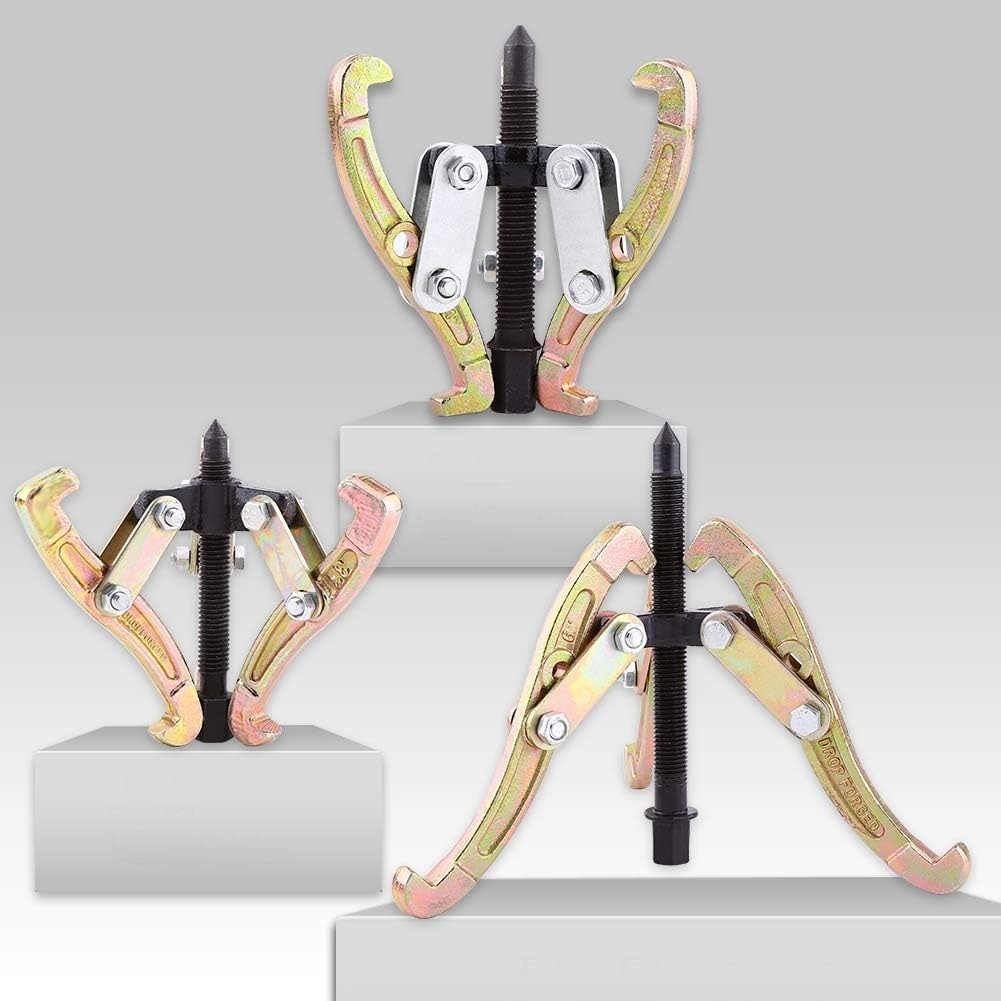
Load Testing and Structural Strength Verification
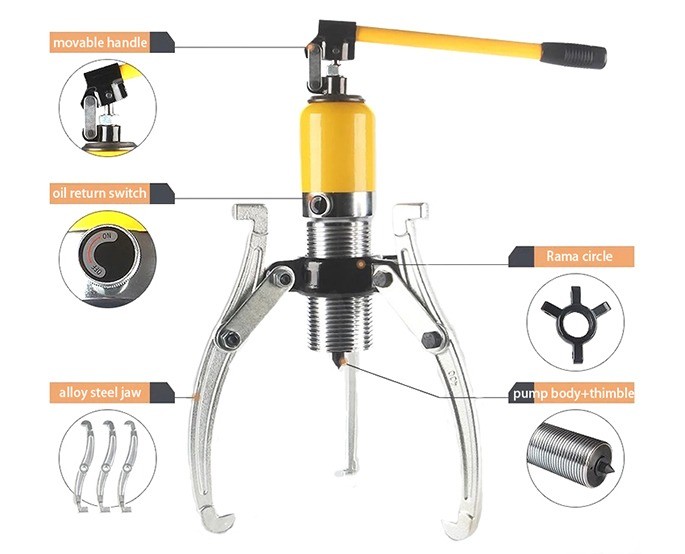
One of the most important tests for bearing pullers is load testing. Engineers apply controlled force using hydraulic systems or mechanical rigs to simulate the loads experienced during bearing extraction. This process measures how the puller frame, jaws, and forcing screw behave under pressure and determines whether the tool maintains its structural integrity without bending or cracking.
Proof Load Testing
Proof load testing exposes the puller to a force that is typically higher than its normal working load. This test confirms that the tool can safely handle real-world stresses without permanent deformation. Holding the tool under a specified load for a fixed period allows engineers to identify weaknesses in material strength or manufacturing quality before the tool reaches the market.
Pull-Out Force Testing
Pull-out testing evaluates how effectively a puller can apply extraction force. A calibrated device gradually increases force until it reaches the designed load limit or failure threshold. The resulting data helps engineers determine the safe working capacity and refine tool geometry for improved performance.
Material and Fatigue Testing
High-quality pullers are usually made from forged alloy steel or heat-treated carbon steel. Material testing measures tensile strength, hardness, and resistance to repeated stress cycles. Fatigue testing is especially important because pullers often experience repeated high-load operations. Tools that pass these tests demonstrate better long-term durability and reduced risk of sudden failure.
Standards and Compliance in Tool Manufacturing
International standards help manufacturers define acceptable testing methods and product performance requirements. Mechanical pullers used in machinery maintenance are often designed according to recognized industrial standards that define tool dimensions, load capacity, and operational safety requirements. These standards provide consistency across manufacturers and help buyers compare products from different suppliers.
How Testing Improves Tool Lifespan
When testing standards are strictly followed, manufacturers can identify weak design points and optimize the puller’s structure. Improvements may include reinforced crossheads, stronger jaws, precision-machined threads, and optimized heat treatment. These design refinements increase the tool’s resistance to deformation and extend its usable lifespan in demanding repair environments.
Benefits for Distributors and End Users
Tools that comply with rigorous testing standards provide better reliability for professional workshops and industrial maintenance teams. Reduced tool failure lowers replacement costs and minimizes downtime during repair operations. For distributors and tool brands, certified testing also strengthens product reputation and builds customer trust.
Summary
Testing standards play a critical role in determining the lifespan and reliability of bearing pullers. Through load testing, proof load verification, fatigue testing, and compliance with recognized standards, manufacturers ensure that puller tools can handle demanding extraction tasks safely and consistently. Tools developed under strict testing protocols generally deliver longer service life and improved performance in professional repair environments.