How to Bleed Brakes: Tools & Step-by-Step Guide
How to Bleed Brakes: Tools & Step-by-Step Guide
Bleeding your brakes is a critical maintenance task. When air gets into the brake lines, it compresses and reduces braking effectiveness, making the pedal feel soft or spongy. Bleeding removes trapped air to restore firm, responsive braking.
Tools & Materials You’ll Need
- Fresh brake fluid (check your vehicle’s manual for the correct type)
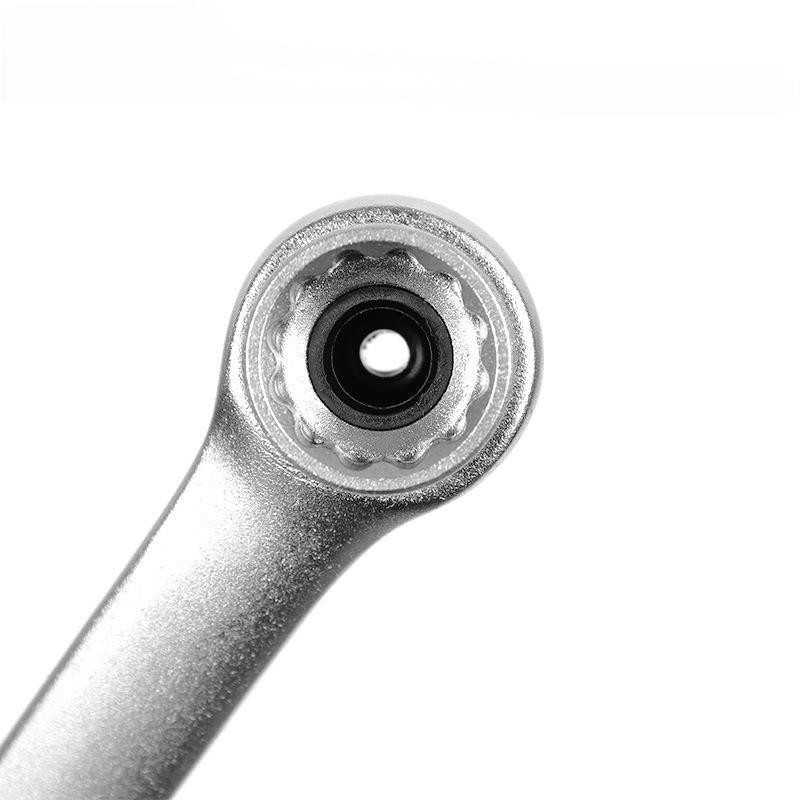
- Wrench or brake bleeder wrench (proper size for bleeder screws)
- Clear plastic tubing
- Catch container to collect old brake fluid
- Jack and jack stands for safe support
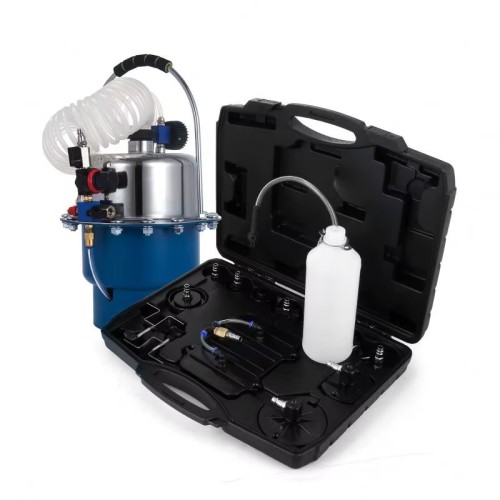
- Brake bleeder kit (optional for solo bleeding)
Step-by-Step Brake Bleeding Process
1. Prepare the Vehicle
Park on a flat surface, engage the parking brake, and place wheel chocks behind the tires. Jack up the vehicle and support it securely on jack stands.
2. Check Master Cylinder & Fluid
Open the hood and locate the brake fluid reservoir. Ensure it is filled with the correct fluid and keep the cap loose during bleeding.
3. Locate Brake Bleeder Valves
Each brake caliper or wheel cylinder has a bleeder screw. Attach clear plastic tubing to the screw and run the other end into a container with a small amount of brake fluid to prevent air from entering back into the system.
4. Bleeding Sequence
You should start with the brake that is furthest from the master cylinder (often the rear passenger side) and proceed to the closest one (often the front driver side). As you bleed, keep topping up the master cylinder so it does not run dry.
5. Begin Bleeding Each Brake
With an assistant inside the car:
- Have them repeatedly press the brake pedal several times and then hold it down.
- While the pedal is held down, open the bleeder screw slightly with your wrench. Old fluid and air will flow out through the tubing into your container.
- Once the flow slows and no air bubbles are visible, tighten the bleeder screw before your assistant releases the brake pedal.
- Repeat this process until clear fluid flows through the tube without bubbles.
6. Final Steps
After bleeding all four wheels, check the brake fluid reservoir and fill to the recommended level. Reinstall wheels, lower the vehicle, and carefully test the brake pedal feel before driving.
Safety Tips & Best Practices
- Never let the brake fluid reservoir run dry, as this introduces air into the system.
- Dispose of old brake fluid properly and avoid contamination.
- Always consult your vehicle’s manual for specific bleeding sequences and fluid specifications.
Why Choose DNT Tools for Brake Bleeding & Repair
DNT Tools (Dongning Tools, Ningbo, China) is a professional manufacturer with over 25 years of experience crafting high-quality automotive repair tools, including brake bleeders and brake system tool kits. Our tools are designed with durability, precision, and ease of use in mind — ideal for brake bleeding jobs and general brake system maintenance.
As an ISO 9001 certified factory, we supply tools for workshops, mechanics, distributors, and tool brands worldwide.
Brake System Tools You Can Trust
- Brake bleeder kits for one- or two-person use
- Brake caliper tools and piston compressors
- Professional wrenches and specialized service tools
- OEM & custom solutions available on request