How to Use a Brake Caliper Wind Back Tool Safely (Tips & Tricks)
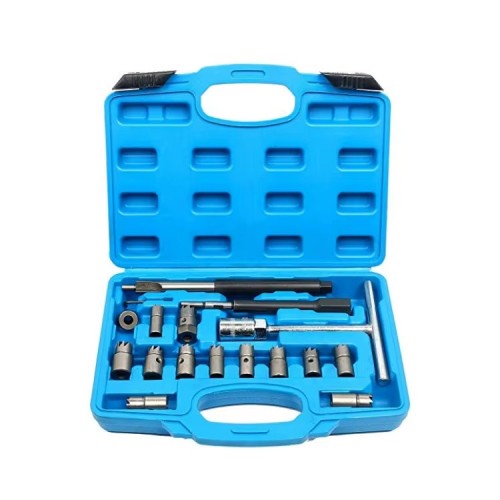
Servicing disc brakes often requires retracting the caliper piston to make space for new brake pads. A brake caliper wind back tool is the safest and most efficient way to perform this step, especially on rear calipers equipped with integrated parking brake mechanisms. However, using the tool incorrectly may damage the piston, seals or brake lines. This guide explains how to use a wind back tool properly and safely, along with practical tips that help technicians avoid common mistakes. At DNT Tools, we specialize in manufacturing high-quality automotive tools designed for professional workshops, fleet maintenance centers and tool distributors worldwide. In this article, we will walk you through how the brake caliper wind back tool fits into a complete brake service workflow, why it matters, and how using a professional tool can improve service results and safety. A brake caliper wind back tool is a specialized device used to rotate or push the caliper piston back into its housing during a brake pad replacement. Because new brake pads are thicker than worn ones, the caliper piston must be retracted far enough to provide clearance for the new pads. A proper wind back tool, with its set of adapters, ensures this is done evenly and without damaging piston seals or caliper surfaces. Unlike a basic C-clamp or improvised tool, a caliper wind back tool adapts to different piston designs and uses a threaded mechanism to retract the piston smoothly. This is particularly important in rear calipers with integrated parking brake mechanisms, where the piston may need to rotate as well as retract. Park the vehicle on a flat, stable surface, apply wheel chocks and raise the vehicle with a suitable jack. Support it firmly on jack stands before you start working on the brakes. Never let the caliper hang by the brake hose. Use a caliper hook, wire or bungee cord to support the caliper and avoid putting stress on the brake line. Open or loosen the brake fluid reservoir cap to allow fluid displacement when the piston is retracted. This helps prevent excessive pressure and potential fluid overflow. On vehicles with mechanical or electronic parking brakes integrated into the rear calipers, make sure the parking brake is fully disengaged before attempting to wind back the piston. Unbolt the caliper from its bracket and carefully remove it from the brake disc. Remove the worn brake pads from the caliper bracket. Inspect the piston face and dust boot for dirt, cracks or damage before proceeding. Most wind back tool kits include multiple adapters to match different piston patterns. Choose the adapter that fits the piston slots or holes properly. Using the wrong adapter can cause slipping and damage to the piston surface. Position the reaction or backing plate against the caliper body. This plate provides a stable surface for the tool to push against, ensuring that the piston is retracted straight and evenly. Insert the threaded rod with the selected adapter into the caliper so that the adapter engages securely with the piston face. Make sure the tool is aligned with the piston centerline. Misalignment is a common cause of seal damage and uneven retraction. Using the handle or T-bar on the wind back tool, rotate the threaded rod slowly and steadily. The adapter will rotate and push the piston back into the caliper bore. Some pistons require clockwise rotation, while others may require counterclockwise rotation, depending on the design. Apply smooth, even pressure and avoid sudden or excessive force. If the piston resists movement, stop and check for engaged parking brakes or internal seizure rather than forcing the tool. Once the piston has been wound back fully, check that it sits evenly inside the caliper bore and that there is sufficient clearance for the new brake pads. If the piston is not level or does not retract completely, recheck alignment and inspect for corrosion or mechanical issues. Install the new brake pads in the caliper bracket and refit the caliper over the pads. Tighten all bolts to the vehicle manufacturer’s torque specifications. Reinstall the wheel, lower the vehicle safely and perform a final torque check on the wheel nuts or bolts. Use a high-quality brake caliper wind back tool made from durable materials with precision-machined adapters. This ensures better engagement with the piston and reduces the risk of slippage or damage. Some caliper pistons must be wound clockwise, others counterclockwise. Always confirm the correct direction for the specific vehicle to avoid damaging the internal parking brake mechanism. Remove dirt and debris around the piston and dust boot before using the tool. Contaminants can cause the boot to tear or become trapped during retraction. Do not rush the process. Slow, steady rotation allows seals and components to move without excessive stress. If you feel abnormal resistance, stop and investigate the cause. As the piston retracts, brake fluid is pushed back into the master cylinder. Keep an eye on the fluid level to avoid overflow and clean any spills immediately to protect painted surfaces. Avoiding these mistakes protects braking components, reduces rework and improves safety for both the technician and the driver. DNT Tools specializes in high-quality automotive service tools, including brake caliper wind back tool kits designed for professional use. Our tools feature robust construction, precise machining and a wide range of adapters to fit many different caliper piston designs. We offer: Whether you operate a brake service shop, a general repair workshop or manage a fleet maintenance facility, DNT Tools provides the tools you need to deliver efficient, professional brake work. Using a brake caliper wind back tool safely is a key part of any complete brake service. With proper preparation, the right adapter selection and careful, controlled operation, you can retract caliper pistons without damage, install new pads correctly and maintain optimal brake performance. By integrating professional-grade wind back tools from DNT Tools into your workflow, you improve service quality, reduce the risk of component failure and enhance both safety and efficiency for every brake job.What Does a Brake Caliper Wind Back Tool Do?
Safety Precautions Before You Begin
1. Secure the Vehicle
2. Support the Caliper Properly
3. Release Brake System Pressure
4. Disable the Parking Brake (for Rear Calipers)
Step-by-Step: How to Use a Brake Caliper Wind Back Tool Safely
Step 1 — Remove the Caliper and Old Pads
Step 2 — Select the Correct Adapter
Step 3 — Install the Backing Plate
Step 4 — Install and Align the Wind Back Tool
Step 5 — Rotate and Retract the Piston
Step 6 — Verify Full Retraction
Step 7 — Reassemble the Brake System
Tips & Tricks for Safe and Trouble-Free Operation
Choose Quality Tools
Know the Piston Direction
Clean Around the Piston Boot
Work Slowly and Evenly
Monitor Brake Fluid Level
Common Mistakes to Avoid
Why Choose Professional Wind Back Tools from DNT Tools
Conclusion