Home / All / Support / What Pulling Capacity Do You Need for Heavy-Duty Bearings?
What Pulling Capacity Do You Need for Heavy-Duty Bearings?
Update Time:2026/9/18
How should you approach this job?
Choose a heavy-duty bearing puller by the load the complete setup can safely control, not by bearing diameter alone. A large, corroded, or interference-fit bearing may need a hydraulic puller and separator even when its outside diameter seems modest.
The Direct Answer
Choose a heavy-duty bearing puller by the load the complete setup can safely control, not by bearing diameter alone. A large, corroded, or interference-fit bearing may need a hydraulic puller and separator even when its outside diameter seems modest.
Why Capacity Is More Than a Tonnage Number
The puller rating is only one part of the system. Actual removal force changes with fit pressure, corrosion, contamination, temperature, bearing location, and the condition of the shaft or housing. A stable load path is as important as the nominal ton rating.
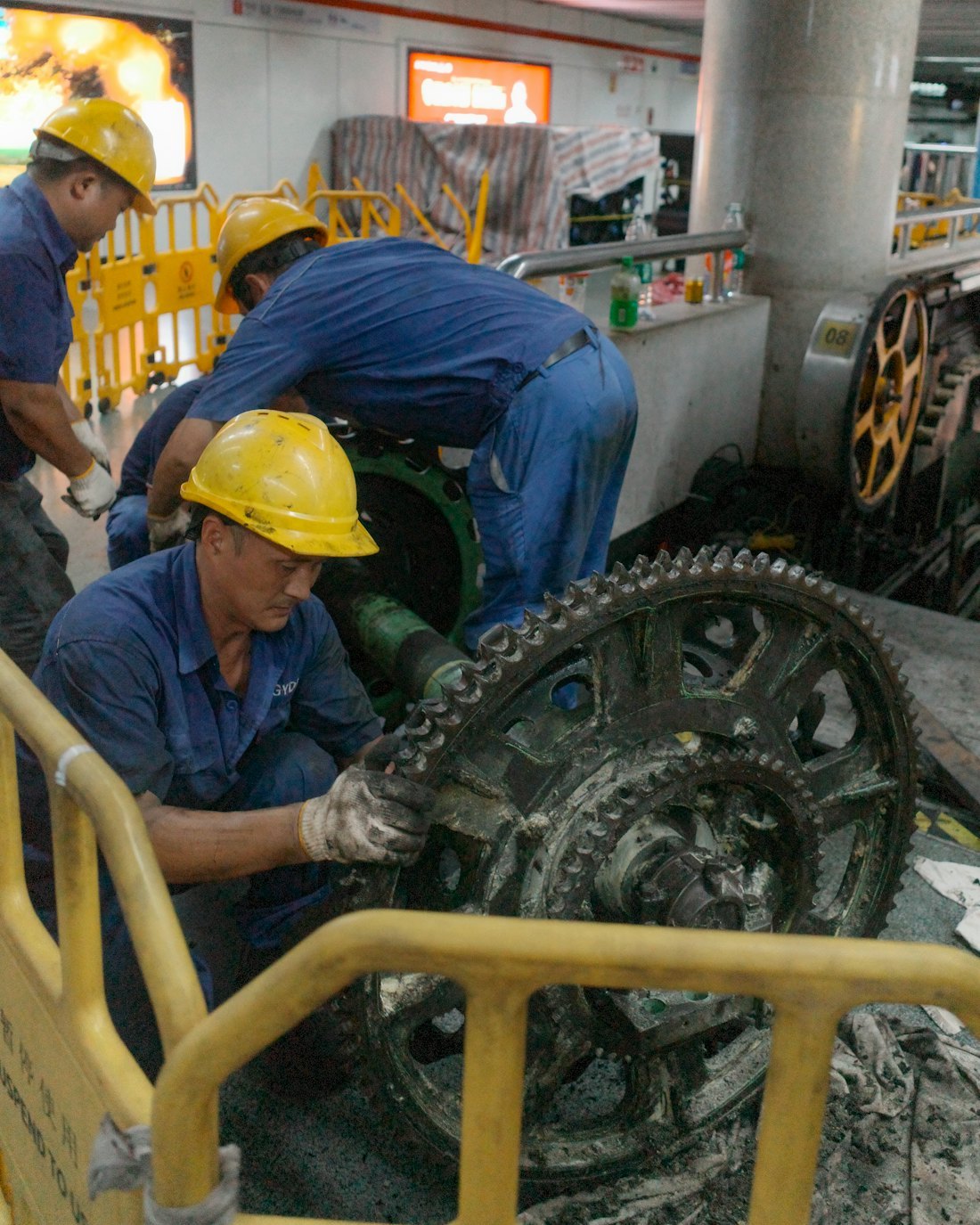
Large assemblies demand controlled load and secure support
Start With the Bearing Fit
Light service fits can often be removed with a correctly sized screw puller. Tight interference fits, long-seated races, and heavy equipment assemblies generate much higher resistance. Treat unknown history as a reason to inspect and plan for controlled force rather than guessing.
Account for Corrosion and Fretting
Rust and fretting can multiply resistance by locking a race to the shaft or housing. Penetrant, approved heat methods, and a separator may reduce the risk, but they do not turn a low-capacity puller into a high-capacity one. Do not exceed the tool's rating.
Keep Force Centered
The forcing screw must bear on the shaft center while the jaws or separator sit evenly behind the part. An off-center screw creates side load, which can bend jaws, damage threads, or release the part unpredictably. Reposition the setup before load becomes significant.
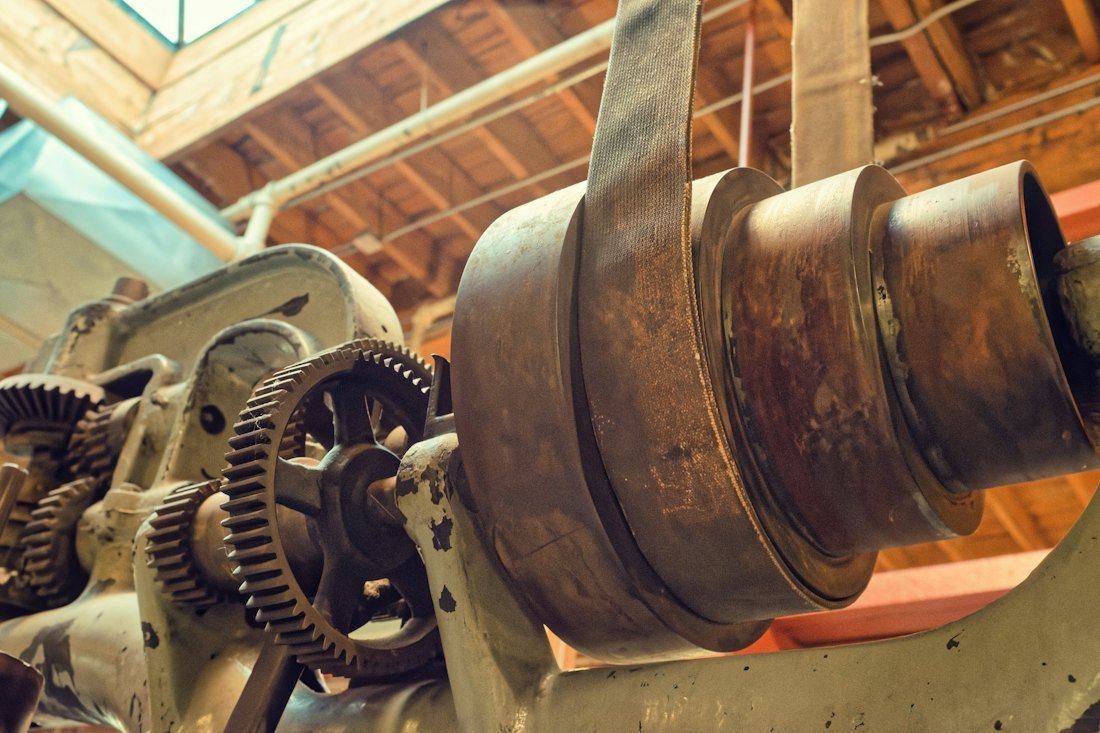
Component geometry affects both grip and required force
Choose Hydraulic Force When Control Matters
Hydraulic pullers are useful when the required load is high or the part must be moved gradually with a predictable force path. Use a gauge or approved pressure reference where available, and never stand in line with a loaded puller.
Use a Separator for Thin Races
A bearing separator creates a positive grip behind a race when standard jaws cannot get enough purchase. This can be safer than using longer hooks because it keeps the pulling force closer to the bearing and reduces the chance of jaw slip.
Build in a Safety Margin
Select equipment that has reserve capacity for the realistic job conditions, while still matching the required reach and spread. Reserve capacity is not permission to overload an attachment or a damaged component; every part of the setup must support the planned load.
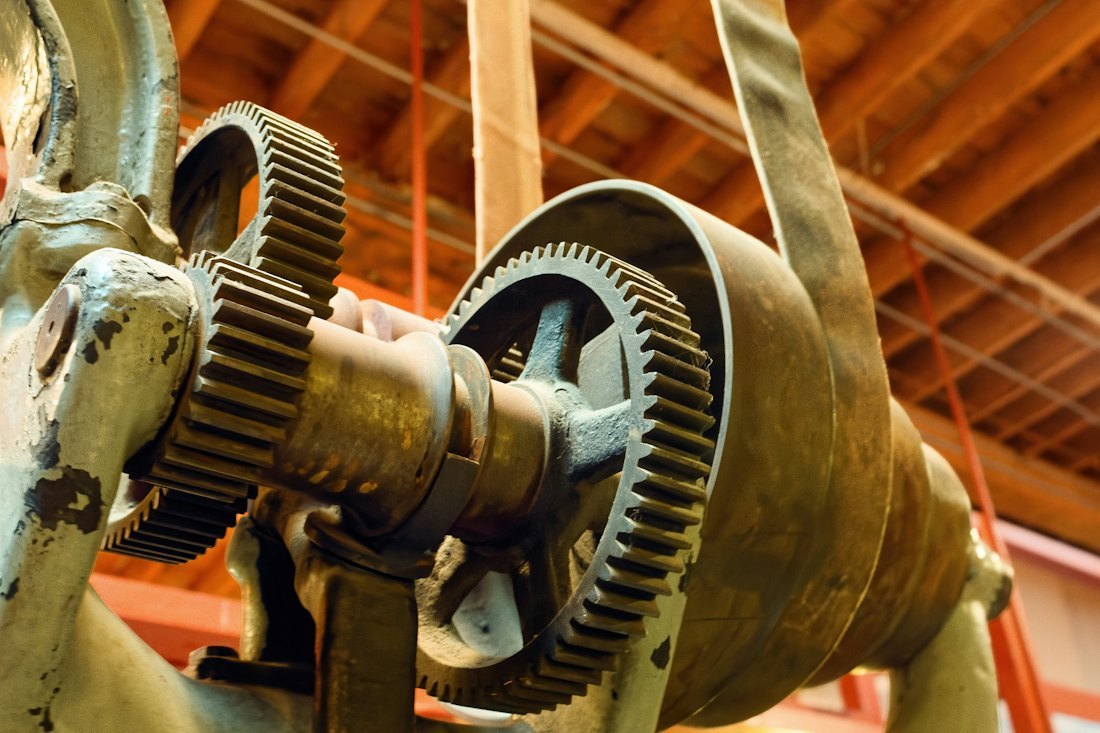
Inspect the assembly and load path before selecting capacity
Watch for Warning Signs
Stop if the crosshead twists, a jaw opens, the bearing cracks, or pressure rises with no movement. These signs usually mean the grip point, alignment, or removal method needs correction. Resetting early costs less than repairing a shaft or housing.
Document Repeat Heavy-Duty Jobs
For fleet and industrial maintenance, log the bearing type, attachment method, and successful puller capacity for each recurring task. DNT Tools can use those real conditions to help standardize an appropriate manual, hydraulic, separator, or attachment solution.