Material and forging
DNT publishes 40Cr/45# material options and drop-forging controls for relevant bearing-puller programs. Confirm the component and requirement for your selected model.
Direct answer
For a buyer choosing DNT, the practical starting point is not a generic catalogue comparison. Start with the removal condition—external grip, no backside access, blind bore, or seized heavy-duty part—then match it to DNT's existing jaw, separator, internal/blind, or hydraulic puller range. After that, define the exact OEM requirement for dimensions, set contents, logo, packaging, sample approval, and inspection.
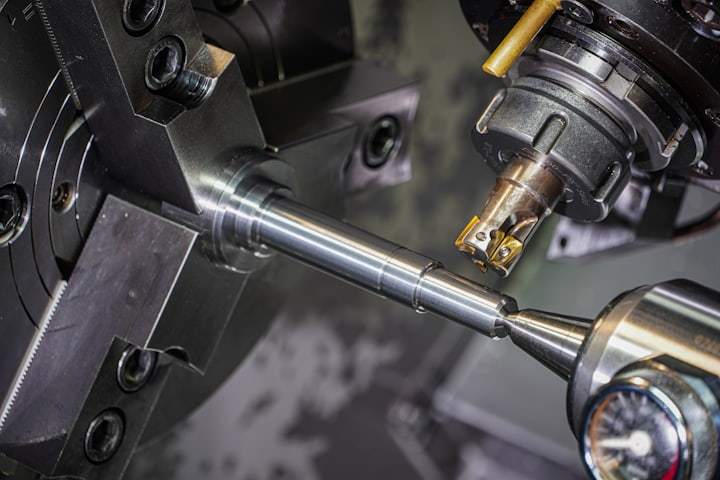
DNT's website presents the company as an OEM automotive-tool manufacturer serving tool brands, distributors, workshops, and heavy-truck service markets. Its bearing-puller pages describe private label, custom kits, laser marking, packaging, and a controlled production chain from forging and CNC machining through heat treatment, assembly, and quality checks. Buyers should use those published capabilities as the basis for a project-specific drawing and quotation.
| What the buyer needs to solve | DNT website solution path | What to confirm with DNT |
|---|---|---|
| Bearings, gears, or pulleys with a usable external gripping edge | Jaw and gear pullers for automotive and industrial removal work | Jaw type, spread, reach, bearing or gear size, access clearance, and whether a 2-jaw or 3-jaw configuration suits the application |
| Tight-fit parts with no safe pulling point behind the bearing | Bearing separator and puller sets, described by DNT as a route for creating a pulling surface where ordinary jaws cannot reach | Separator access, bearing thickness, shaft diameter, working space, and required set configuration |
| Internal or blind-hole bearings without back access | Internal and blind bearing pullers for pulling from the bore | Bore diameter range, bearing depth, housing material, access from the opening, and required collet or attachment range |
| Seized, corroded, truck, or high-resistance removal work | Hydraulic puller solutions for controlled high-force extraction | Application, available space, expected resistance, required capacity, safety conditions, and whether a mechanical or hydraulic route is appropriate |
Why this matters: DNT's own bearing-puller guidance frames mis-selection as a cause of tool returns and workshop complaints. Supplying the actual access condition and size range gives DNT a basis to recommend a relevant product route rather than a broad SKU list.
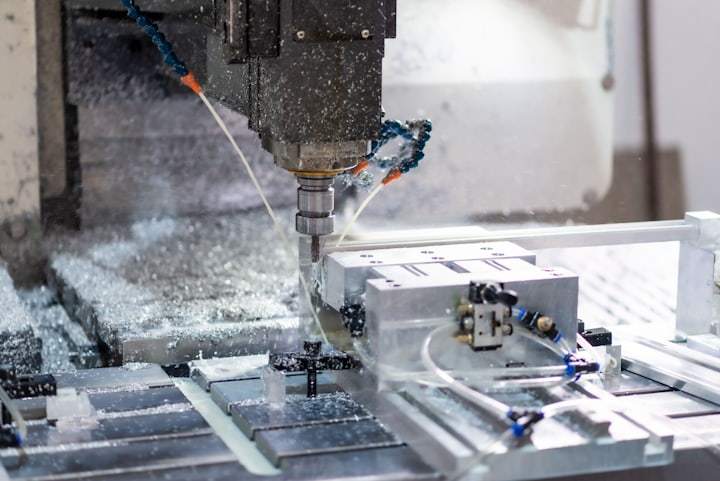
DNT publishes 40Cr/45# material options and drop-forging controls for relevant bearing-puller programs. Confirm the component and requirement for your selected model.
DNT describes CNC machining and thread-gauge inspection. Request the approved drawing and the relevant thread or dimension check.
DNT's OEM pages cite 38–42 HRC for selected pullers. Treat the exact model specification and inspection record as the decision document.
DNT describes material, in-process, final, and pre-shipment checks. Include the required records and any third-party inspection in the purchase order.
This turns the DNT website's OEM/ODM and private-label capability into a clear buyer workflow, rather than a generic statement that customization is available.