
- Ningbo Dongning Tools Co.,Ltd
- Professional Chinese Tools manufacturer on automotive speciality tools,bearing puller&heavy truck tools
- Address
- No.6 Falan Rd,Hengjie Town,Ningbo City,Zhejiang,China
- Phone
- +86-574-87216625
- info@nbdntools.com
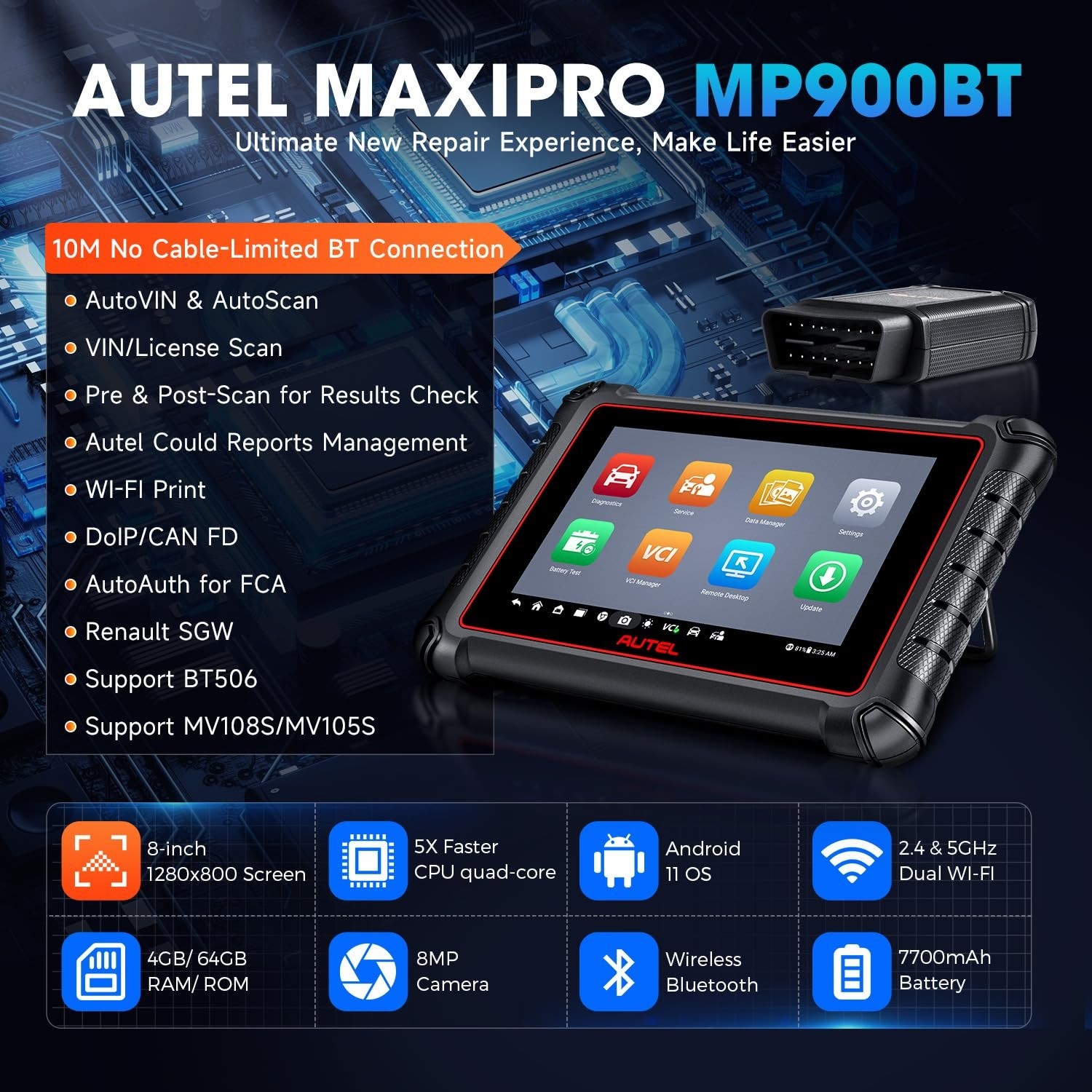
Modern vehicles rely heavily on electronic control systems, sensors, and onboard computers. Automotive specialty tools for advanced diagnostics are designed to communicate with these systems, allowing technicians to detect faults, analyze data, and perform system-level troubleshooting with precision.
OBD diagnostic tools are the foundation of modern vehicle diagnostics. These tools connect to the vehicle’s onboard diagnostic system to read and clear fault codes, monitor live data, and identify system errors. Advanced scan tools can access multiple systems including engine, transmission, ABS, and airbag modules, enabling comprehensive diagnostics.
Scan tools provide real-time data, fault code analysis, system resets, and bidirectional control functions that allow technicians to activate components and verify system performance.
Oscilloscopes are advanced diagnostic tools used to analyze electrical signals in vehicle systems. They provide waveform data that helps technicians detect issues in sensors, ignition systems, and communication networks. These tools are essential for diagnosing complex electrical faults that cannot be identified by standard scan tools.
Multimeters are widely used to measure voltage, current, and resistance in automotive circuits. They help technicians verify wiring integrity, test sensors, and troubleshoot electrical systems. Electrical testers complement multimeters by providing quick checks for circuit continuity and voltage presence.
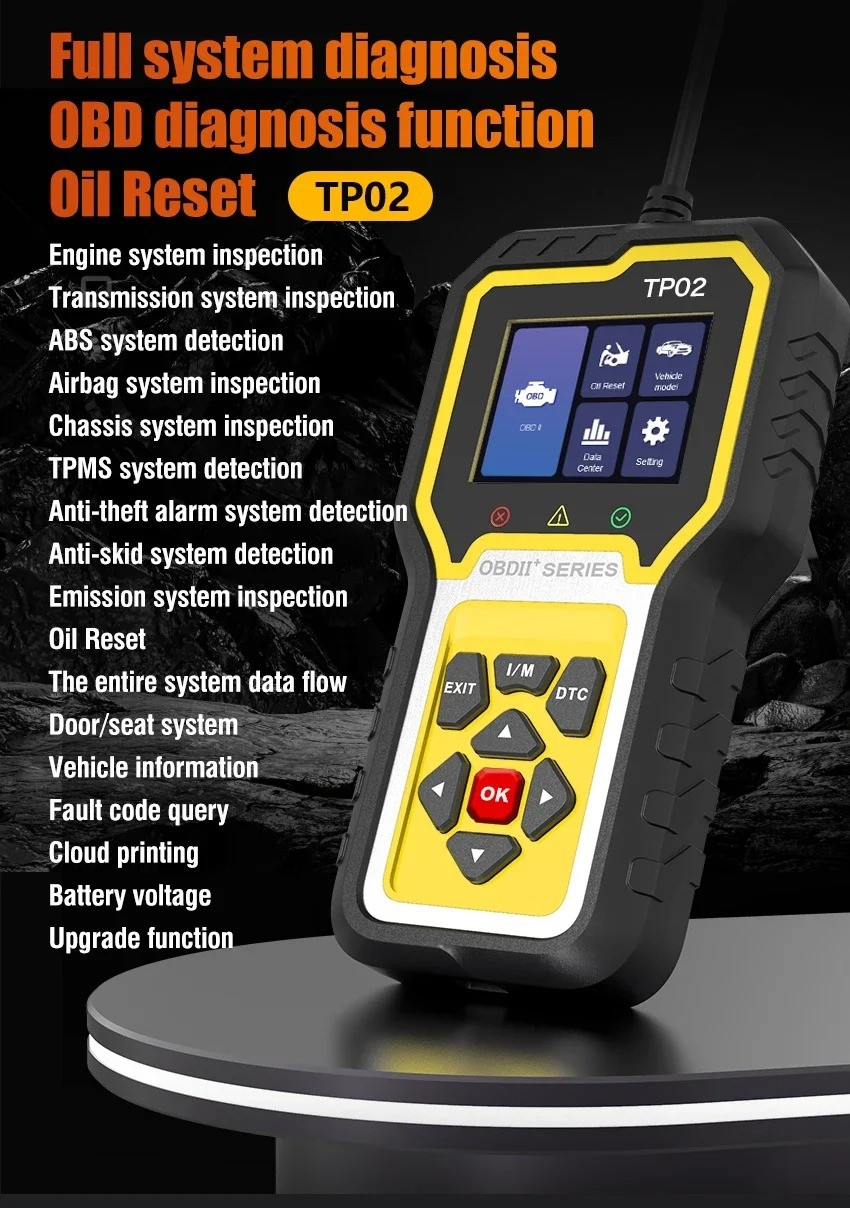
Battery testers and charging system analyzers evaluate battery condition, alternator output, and starter performance. These tools are critical for diagnosing power-related issues and ensuring reliable vehicle operation.
Professional workshops often use integrated diagnostic platforms that combine scanning, data analysis, and repair guidance. These systems provide access to technical databases, guided troubleshooting procedures, and software updates, improving diagnostic accuracy and repair efficiency.
Specialized tools are used to test sensors and actuators such as fuel injectors, throttle bodies, and pressure sensors. These tools allow technicians to simulate signals and verify component response, ensuring accurate diagnosis of system faults.
Modern diagnostic tools often include software integration that allows data logging, waveform comparison, and cloud-based analysis. These features help technicians identify patterns, compare results, and improve troubleshooting accuracy over time.
Advanced tools allow technicians to quickly identify problems without extensive manual inspection, reducing diagnostic time.
Precise data and system-level access improve the accuracy of fault identification, reducing misdiagnosis and unnecessary repairs.
Efficient diagnostics lead to faster repairs and increased workshop productivity, allowing technicians to handle more jobs in less time.
Automotive specialty tools for advanced diagnostics include scan tools, oscilloscopes, multimeters, battery testers, and integrated diagnostic platforms. These tools are essential for diagnosing modern vehicles accurately, improving repair efficiency, and supporting advanced automotive technologies.