- Ningbo Dongning Tools Co.,Ltd
- Professional Chinese Tools manufacturer on automotive speciality tools,bearing puller&heavy truck tools
- Address
- No.6 Falan Rd,Hengjie Town,Ningbo City,Zhejiang,China
- Phone
- +86-574-87216625
- info@nbdntools.com

Bearing pullers are precision tools used to remove bearings, gears, bushings, and similar press-fit components from shafts or housings. Pullers are designed to apply controlled extraction force and minimize damage to surrounding parts. The main two categories — internal and external pullers — differ in how they grip the component and where force is applied.
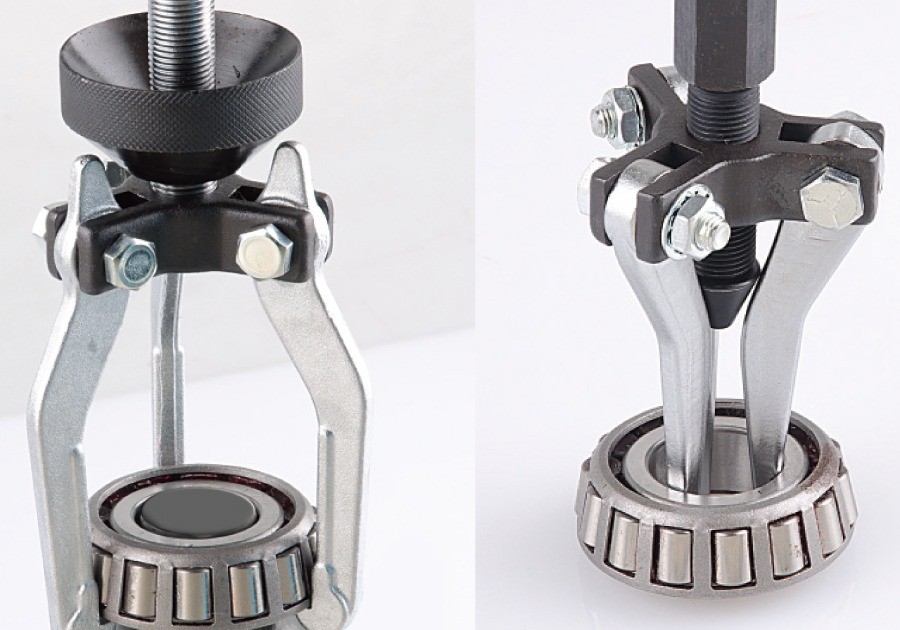
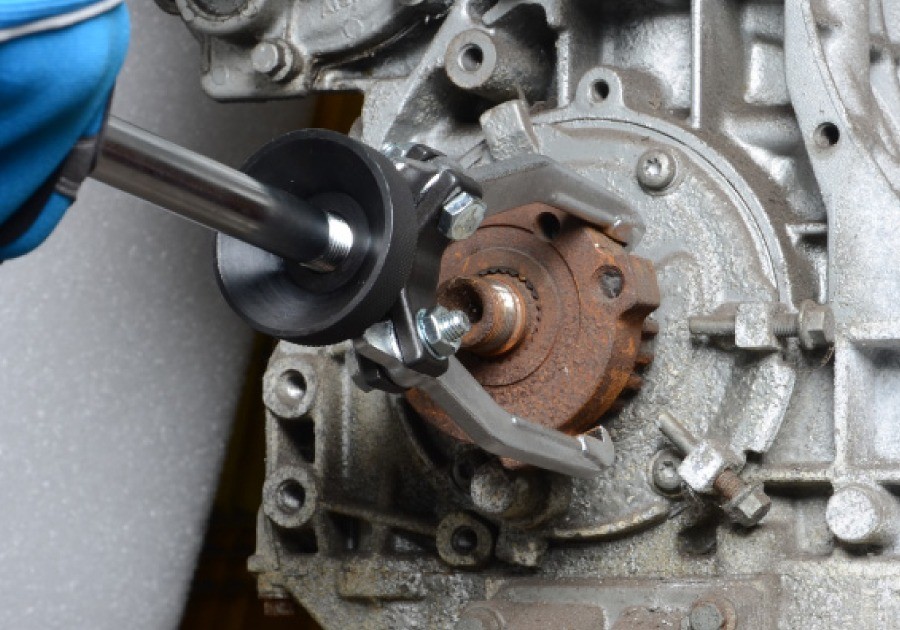
External bearing pullers are intended for bearings and components mounted on the outside of a shaft. They feature adjustable arms or jaws that clamp onto the outer diameter of the bearing. A central forcing screw then pushes against the shaft end while the jaws pull the bearing outward. This design is most common for bearings that are accessible from the outside and is widely used in workshops where shafts need bearing removal without disassembly of surrounding structures.
Internal pullers, sometimes called blind or inner pullers, are engineered for components located inside a housing or recessed bore where the outer surface is not accessible. These tools extend hooks or expanding claws into the inner diameter of the bearing, then expand or clamp from within. A forcing screw then pulls the bearing out of the housing. This mechanism makes internal pullers ideal for applications where components are buried or lack external grip surfaces.
The core difference lies in how each tool grips the part to be removed. External pullers wrap around the outside of the bearing and pull from the outer race, while internal pullers grip from within the inner diameter of the bearing or recess. The correct choice depends on access: use external pullers when the outside surface is reachable, and internal pullers when access is limited or the bearing is recessed.
In designs where space around a bearing is constrained — such as inside housings or blind bores — internal pullers offer a solution because they operate from within. External pullers, while simpler, require clearance around the part’s outer diameter. In tight mechanical assemblies, internal pullers ensure extraction without removing adjacent components first.
Both internal and external pullers use a forcing screw to translate rotational torque into linear pulling force, but how this force is transmitted differs. External pullers transfer force through jaws on the outside of the part, offering straightforward extraction. Internal pullers generate pulling force from within the inner race, which is effective when the outer surfaces are inaccessible. Some reversible designs allow pullers to switch between internal and external modes for added versatility.
Selecting the appropriate puller depends on where the component is located and how accessible it is. If the bearing’s outer diameter is exposed and there is sufficient clearance, an external puller is typically preferred. If the component sits inside a bore or recess with limited external access, an internal puller provides the necessary grip from within. Many modern puller tools offer interchangeable jaws or reversible designs to handle both internal and external applications with one tool.
Internal and external bearing pullers differ mainly in how they engage the part being removed and where they apply pulling force. External pullers grip the outer surface for outward extraction, while internal pullers expand from within the inner diameter for recessed components. Understanding these design differences ensures technicians choose the right tool for efficient and damage-free bearing removal.