- Ningbo Dongning Tools Co.,Ltd
- Professional Chinese Tools manufacturer on automotive speciality tools,bearing puller&heavy truck tools
- Address
- No.6 Falan Rd,Hengjie Town,Ningbo City,Zhejiang,China
- Phone
- +86-574-87216625
- info@nbdntools.com

In the global industrial tool market, understanding the difference between a bearing puller manufacturer and a supplier is essential for procurement teams, OEM partners, and tool distributors. These roles affect product quality, customization potential, delivery reliability, and long-term cost efficiency.
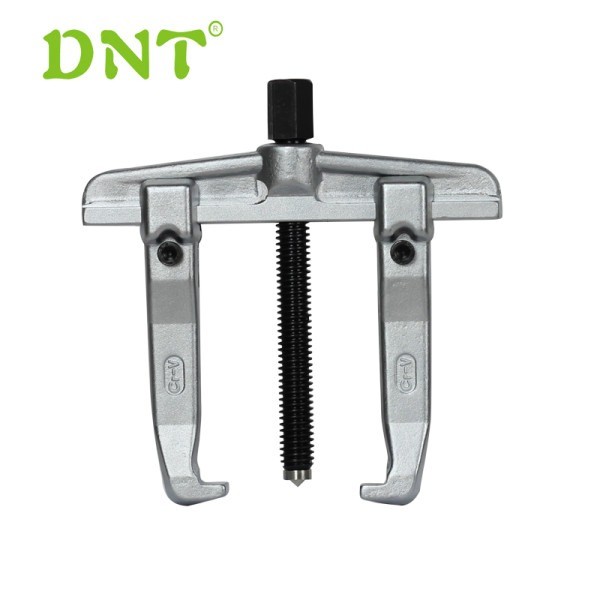
A bearing puller manufacturer directly designs, engineers, and produces tools used to safely remove bearings, gears, and mounted components from shafts without damage. Manufacturers often own production lines with CNC, heat treatment, quality inspection, and engineering teams — enabling customization, quality control, and deep technical support.
Suppliers (trading companies) source finished pullers from multiple manufacturers and resell them. They offer convenience and broad selections but usually have limited influence over production details, quality inspection, and deep customization. This distinction matters particularly for technical industrial tools where performance and tolerances are critical.
Manufacturers with integrated facilities control material choice, production steps, and quality standards, ensuring consistent tool performance and durability — important for heavy-duty applications. Suppliers may offer broader ranges but risk inconsistent quality between batches without strict verification.
Manufacturers typically offer OEM/ODM services, allowing buyers to tailor tool specs, logos, packaging, and performance features based on end-use needs. Suppliers usually provide standard models with limited customization potential, best for general purchases.
Manufacturers located in industrial hubs often benefit from mature export networks and production scalability, ensuring stable lead times for bulk orders. Suppliers may have ready stock but could need to reorder from manufacturers, potentially affecting delivery timelines.
Verified ISO and industry safety certifications confirm quality management systems on manufacturing lines. Buyers should verify these credentials, as certification claims vary in authenticity when sourced indirectly through suppliers.
Buying direct from manufacturers might involve higher minimum order quantities (MOQs) and longer lead times but yields better quality control, customization, and contractual clarity. Supplier purchases provide flexibility and lower short-term commitments, suitable for mixed inventories or testing new markets.
For global buyers of bearing pullers — whether for industrial workshops, heavy equipment maintenance, or distribution channels — understanding the difference between manufacturers and suppliers is key to optimized procurement. Manufacturers provide deeper technical control and customization opportunities, while suppliers offer convenience and flexibility. Combining both approaches can deliver balanced long-term and short-term sourcing success.